
Swerdna
Bible Challenge
This is the most comprehensive chronological Bible reading program available, for the new and the experienced Christian, it not only gives you a well-rounded view of Scripture, but a detailed analysis as well.

We use affiliate links to recommend products we love. We thank you for your support, it helps us create valuable content.
The Bible as it happened
Embarking on a journey of self-improvement and personal growth is one of the most rewarding commitments we can make to ourselves. In a world that often pulls us in countless directions, taking the time to focus on our spiritual development can be a transformative experience. It’s about more than just acquiring knowledge; it’s about nurturing our souls, expanding our perspectives, and deepening our connection with the divine.
One of the most profound ways to better ourselves is through a dedicated study of sacred texts. For Christians, the Bible stands as the cornerstone of faith and wisdom. However, many find themselves overwhelmed by its complexity or unsure of how to approach its vast contents in a meaningful way. This is where a structured, thoughtful approach to Bible study can make all the difference.
Enter the Ultimate Chronological Bible Reading Program – a revolutionary approach to experiencing Scripture that promises to transform your spiritual journey. This program isn’t just another reading plan; it’s a carefully crafted roadmap designed to guide you through the entire Bible in a way that brings its narrative to life like never before.
What makes this program truly stand out is its chronological approach. By organizing the Bible as events actually occurred, readers gain unprecedented insights into the context, historical settings, and divine narrative that weaves throughout Scripture. This method allows you to see the Bible not as a collection of isolated stories, but as a cohesive, unfolding drama of God’s interaction with humanity.
Imagine reading the Psalms and understanding the exact circumstances that inspired David’s words. Picture yourself following the life of Christ and the growth of the early church in perfect historical sequence, with the Gospels and Epistles interwoven seamlessly. This level of contextual understanding can dramatically deepen your grasp of God’s Word and its relevance to your life today.
The program offers a one-year journey through the entire Bible, complete with insightful commentary that provides clarity on difficult passages. These notes are both theologically rich and inspirationally charged, helping you to not only understand what you’re reading but also apply it to your life.
One of the most exciting aspects of this program is its potential to revitalize your spiritual growth. As you follow this plan, you’ll likely find yourself developing a closer walk with God and gaining greater insight into His purpose for your life. The chronological approach helps reveal God’s work throughout history in a way that can profoundly impact how you interpret your own life through a Scriptural lens.
Moreover, completing this program puts you in an elite group – the small percentage of Christians who have read the entire Bible from Genesis to Revelation. This sense of accomplishment can be a powerful motivator in your spiritual journey, encouraging you to dive even deeper into God’s Word.
Each month of the program offers a unique focus, from the creation story and Abraham’s journey in January to the captivity of Judah and Paul’s epistles later in the year. This structured approach ensures that you’re constantly engaged with different parts of Scripture, maintaining interest and providing a comprehensive understanding of the Bible’s narrative.
If you’re ready to commit to an incredible journey of faith, discipline, and discovery, this Chronological Bible Reading Program could be the perfect next step in your spiritual growth. It’s an opportunity to read the Bible as it happened, to grow closer to God, and to gain a profound understanding of His Word.
In a world that often feels chaotic and uncertain, grounding ourselves in the timeless wisdom of Scripture can provide the stability and guidance we need. This program offers more than just a reading plan – it’s an invitation to transform your life through a deeper engagement with God’s Word.
Are you ready to take this step? To commit to a year of spiritual growth and biblical discovery? The journey awaits, and the rewards promise to be life-changing. Start today, and see how God can transform your life through His Word, as it happened. Click Here!
BiOptimizers MassZymes

We use affiliate links to recommend products we love. Thank you for your support, it helps us create valuable content.
Unlock Your Fitness Potential with BiOptimizers MassZymes
Amplify Your Gains and Optimize Muscle Recovery
As a dedicated fitness enthusiast, you’re always on the lookout for ways to take your workouts and muscle-building efforts to the next level. Enter BiOptimizers MassZymes – a revolutionary digestive enzyme supplement that can help you unlock your true fitness potential.
Maximize Nutrient Absorption for Rapid Muscle Growth
Proper nutrient absorption is the foundation for building lean, strong muscle. However, many people struggle with suboptimal digestion, which can hinder the body’s ability to properly utilize the proteins, carbohydrates, and other macronutrients essential for muscle development.That’s where MassZymes comes in. This comprehensive enzyme formula is designed to optimize the breakdown and assimilation of the nutrients in your diet, ensuring that your body can fully capitalize on the fuel you’re providing it. By enhancing nutrient uptake, MassZymes supports accelerated muscle growth, faster recovery, and improved overall fitness performance.
Reduce Digestive Discomfort and Support Gut Health
In addition to its muscle-building benefits, MassZymes also addresses common digestive issues that can plague even the most disciplined fitness enthusiasts. The blend of 22 powerful enzymes helps alleviate bloating, gas, and other uncomfortable symptoms, while also promoting a healthy gut environment.When your digestive system is functioning at its best, you’ll experience:
- Enhanced Nutrient Absorption: Improved digestion means your body can fully utilize the essential macronutrients and micronutrients in your diet.
- Faster Muscle Recovery: Reduced post-workout discomfort and inflammation allows for quicker recuperation between training sessions.
- Increased Energy Levels: With optimal nutrient assimilation, you’ll enjoy sustained energy to power through even the most demanding workouts.
Unlock Your Fitness Potential with MassZymes
If you’re serious about taking your fitness journey to new heights, BiOptimizers MassZymes is a must-have supplement in your arsenal. Unlock your true muscle-building potential and experience the transformative benefits of enhanced nutrient absorption and improved gut health. For optimal use combine Masszymes with P3-OM.
BiOptimizers HCL Breakthrough
Unlock Optimal Digestion with BiOptimizers HCL Breakthrough

Reclaim Your Digestive Health and Alleviate Discomfort
Struggling with persistent issues like bloating, gas, or heartburn after meals? These common digestive problems may be a sign that your stomach acid levels are out of balance – a problem that can be addressed with the help of a high-quality hydrochloric acid (HCL) supplement like BiOptimizers HCL Breakthrough.BiOptimizers HCL Breakthrough is formulated with a potent blend of betaine hydrochloride, the natural source of HCL, along with a comprehensive array of digestive enzymes. This unique combination works to support healthy stomach acid levels, optimize nutrient absorption, and alleviate discomfort associated with poor digestion.
The Benefits of Balanced Stomach Acid
Maintaining proper stomach acid levels is crucial for overall digestive health. When HCL production is insufficient, it can lead to a range of issues, including:
- Bloating and Gas: Inadequate stomach acid can impair the breakdown of food, leading to uncomfortable bloating and gas.
- Heartburn and Acid Reflux: Low HCL levels can cause the stomach contents to back up into the esophagus, resulting in painful heartburn.
- Nutrient Malabsorption: Proper stomach acid is necessary for the absorption of essential nutrients, such as minerals, vitamins, and amino acids.
By supplementing with BiOptimizers HCL Breakthrough, you can help restore optimal stomach acid levels, improve digestion, and alleviate these common digestive woes.
Unlock the Power of Balanced Digestion
Don’t let digestive issues hold you back any longer. Click the link below to learn more about how BiOptimizers HCL Breakthrough can help you reclaim your digestive health and overall well-being.
Boost Immunity Naturally: Simple Tips & Tricks

In the face of ever-evolving health challenges, maintaining a robust immune system has become increasingly crucial. Fortunately, there are numerous natural ways to boost your immunity and fortify your body’s defenses against illnesses and infections. This comprehensive guide will explore effective and simple techniques to strengthen your immune system, from herbal remedies and nutrient-rich foods to lifestyle changes and stress management practices.
By harnessing the power of nature, you can empower your body to fight off invaders and stay healthy. Whether you’re seeking to prevent frequent colds, boost your energy levels, or simply maintain optimal well-being, the strategies outlined in this article will provide you with the knowledge and tools to achieve your goals. Prepare to unlock the secrets of natural immunity enhancement and enjoy the vibrant, resilient health you deserve.
Understanding the Immune System
The human immune system is a complex and intricate network of cells, tissues, and organs that work together to defend the body against illness and infection. At the heart of this system are the white blood cells, which play a crucial role in identifying and neutralizing harmful pathogens, such as viruses, bacteria, and other foreign invaders.
Components of the Immune System
The primary components of the immune system include:
- White Blood Cells: These specialized cells, also known as leukocytes, are the cornerstone of the immune response. They include lymphocytes (such as T cells and B cells), which recognize and target specific threats, and phagocytes, which engulf and destroy harmful microorganisms.
- Lymph Nodes: These small, bean-shaped organs act as hubs for the immune system, filtering lymph fluid and trapping foreign substances and pathogens, which are then attacked by white blood cells.
- Cytokines: These signaling molecules play a critical role in coordinating the immune response, regulating the activities of various immune cells and triggering the inflammation process to combat infections and diseases.
Importance of a Strong Immune Response
A robust and well-functioning immune system is essential for maintaining overall health and well-being. A strong immune response helps the body effectively defend against a wide range of illnesses, including common colds, flu, and more serious conditions like cancer and autoimmune disorders. By understanding the key components of the immune system and how they work together, individuals can take steps to support and enhance their body’s natural defenses.
“A healthy immune system is the foundation for optimal health and well-being.”
Herbal Remedies for Immune Support
When it comes to strengthening the immune system, herbal remedies have been a trusted ally for centuries. These natural wonders possess unique properties that can help bolster the body’s defenses against illness and infection. Let’s explore some of the most potent immune-boosting herbs and how they can be incorporated into your daily routine.
Echinacea, a native North American plant, is renowned for its ability to stimulate the immune system and enhance the production of white blood cells. Research suggests that regular echinacea supplementation can reduce the severity and duration of common colds and flu-like symptoms.
Garlic, a culinary staple, is not only a flavorful addition to meals but also a powerful immune-supporting herb. Allicin, the active compound in garlic, has been shown to possess antimicrobial and anti-inflammatory properties, making it a valuable tool in the fight against infections.
- Ginger is another versatile herb with immune-boosting potential. Its antioxidant and anti-inflammatory properties can help alleviate respiratory symptoms and support overall immune function.
- Turmeric, the vibrant yellow spice, contains curcumin, a potent compound known for its ability to modulate the immune system and reduce inflammation.
- Elderberry has been used for centuries in traditional medicine to treat various ailments. Rich in antioxidants and vitamins, elderberry has been shown to enhance the body’s natural defenses and potentially shorten the duration of flu symptoms.
Incorporating these herbal remedies into your daily routine can be a simple and effective way to support your immune system and maintain overall health. Whether you choose to consume them as supplements, incorporate them into your meals, or enjoy them in the form of teas and tinctures, these natural powerhouses can be a valuable addition to your wellness regimen.
| Herb | Immune-Boosting Properties | Potential Benefits |
|---|---|---|
| Echinacea | Stimulates the immune system, enhances white blood cell production | Reduces severity and duration of colds and flu-like symptoms |
| Garlic | Antimicrobial and anti-inflammatory properties | Supports the body’s defense against infections |
| Ginger | Antioxidant and anti-inflammatory properties | Alleviates respiratory symptoms, supports overall immune function |
| Turmeric | Modulates the immune system, reduces inflammation | Enhances the body’s natural defenses |
| Elderberry | Rich in antioxidants and vitamins | Strengthens the immune system, potentially shortens flu duration |
“Harnessing the power of nature’s remedies can be a simple and effective way to support your immune system and promote overall health and well-being.”
Immune-Boosting Foods
Maintaining a robust immune system is crucial for overall health and well-being. One of the most effective ways to support your body’s natural defenses is through a balanced diet rich in immune-boosting foods. These nutrient-dense options not only nourish your cells but also provide the essential vitamins, minerals, and antioxidants needed to strengthen your immune response.
Nutrient-Dense Fruits and Vegetables
Fruits and vegetables are powerhouses when it comes to supporting the immune system. They are packed with vitamin C, zinc, and antioxidants – all of which play crucial roles in enhancing the function of immune cells and protecting the body against harmful pathogens. Some standout options include citrus fruits, bell peppers, broccoli, spinach, and berries.
Lean Protein Sources
Protein is essential for the growth and repair of immune cells, making lean protein sources a vital component of an immune-boosting diet. Options such as chicken, turkey, fish, eggs, and legumes provide the amino acids necessary for the proper functioning of the immune system, helping to ward off infections and illnesses.
| Immune-Boosting Foods | Key Nutrients | Benefits |
|---|---|---|
| Citrus Fruits | Vitamin C, Antioxidants | Enhance white blood cell production, increase antioxidant protection |
| Broccoli | Vitamin C, Zinc, Antioxidants | Support the immune system, fight inflammation, boost overall health |
| Lean Chicken | Protein, Zinc | Promote the growth and repair of immune cells, strengthen the body’s defenses |

“A balanced diet rich in immune-boosting foods can significantly enhance your body’s natural defenses, helping you stay healthy and resilient.”
Vitamin and Mineral Supplements
While a balanced, nutrient-rich diet is essential for immune health, sometimes supplementation can be a valuable addition. This section will explore the key vitamins and minerals that are crucial for maintaining a strong and healthy immune response, and provide guidance on how to incorporate them into your daily routine.
Essential Vitamins for Immunity
Among the most important vitamins for immune function are vitamin C, vitamin D, and zinc. Vitamin C is a powerful antioxidant that supports the growth and development of immune cells, while vitamin D plays a critical role in regulating the immune system. Zinc is essential for the proper functioning of the immune system, as it is involved in the production of white blood cells and the activation of T cells.
In addition to these key nutrients, vitamin E has also been shown to have immune-boosting properties. This fat-soluble vitamin acts as an antioxidant, protecting cells from damage and supporting the body’s natural defense mechanisms.
| Vitamin/Mineral | Benefits for Immune System | Recommended Daily Intake |
|---|---|---|
| Vitamin C | Supports the growth and development of immune cells | 75-90 mg per day |
| Vitamin D | Regulates the immune system and promotes a healthy inflammatory response | 600-800 IU per day |
| Zinc | Necessary for the production of white blood cells and the activation of T cells | 8-11 mg per day |
| Vitamin E | Acts as an antioxidant, protecting cells from damage and supporting the immune system | 15 mg per day |
By incorporating these essential vitamins and minerals into your daily routine, either through a balanced diet or targeted supplementation, you can help support your immune system and promote overall health and well-being.
Exercise Routines for Immune Health
Maintaining a consistent exercise regimen is essential for supporting your immune system and overall well-being. From cardiovascular exercise to strength training and yoga, each type of physical activity can contribute to boosting your body’s natural defenses.
Cardiovascular exercise, such as brisk walking, running, or cycling, helps increase blood circulation, which in turn delivers more oxygen and essential nutrients to your cells. This can enhance the function of your immune cells, allowing them to more effectively identify and eliminate harmful pathogens.
Strength training exercises, like weightlifting or resistance training, can also play a crucial role in immune health. By building and maintaining muscle mass, you’re supporting your body’s ability to regulate inflammation, a key factor in immune system function.
Lastly, yoga and other mind-body practices have been shown to reduce stress levels and promote relaxation, both of which are vital for a well-functioning immune system. The combination of physical postures, deep breathing, and meditation can help lower inflammation and boost the production of immune-boosting cells.
Regardless of your preferred exercise routine, the key is to find activities that you enjoy and can consistently incorporate into your lifestyle. By doing so, you’ll be taking a proactive step towards supporting your immune health and overall well-being.
“Regular physical activity is one of the pillars of healthy living, and its benefits for the immune system are well-documented.”
Stress Management Techniques
Maintaining a healthy immune system is crucial, and one essential factor that can impact it is how we manage stress. Chronic stress can have a detrimental effect on the body’s ability to fight off infections and illnesses. Fortunately, there are effective stress management techniques that can help support a robust immune response.
Mindfulness and Meditation Practices
Mindfulness and meditation have been shown to be powerful tools in reducing stress and promoting overall well-being. These practices can help individuals become more present-focused, better able to regulate their emotions, and more resilient in the face of life’s challenges. Regular mindfulness and meditation have been linked to improved immune function, lower inflammation levels, and enhanced mental health.
Some effective mindfulness and meditation techniques to explore include:
- Guided meditation sessions, either through apps or with a trained practitioner
- Mindful breathing exercises, focusing on the sensations of the breath
- Body scan meditations, bringing awareness to different parts of the body
- Loving-kindness (metta) meditation, cultivating feelings of compassion and kindness
Integrating these practices into your daily routine, even for just a few minutes, can have a profound impact on your stress management, mental health, and immune system health.
“Meditation is not about becoming a different person, a new person, or even a better person. It’s about training in awareness and getting a healthy sense of perspective. You’re not trying to improve or change yourself, you’re just trying to get a handle on what is already the case.” – Jon Kabat-Zinn
Adequate Sleep: A Vital Immune Booster
Maintaining a robust immune system is crucial for overall health and well-being. One often overlooked, yet vital component in supporting immune function is getting adequate, quality sleep. Numerous studies have highlighted the intricate relationship between sleep and the immune system, underscoring the importance of prioritizing sleep as a natural way to boost immunity.
The body’s circadian rhythm, or internal clock, plays a pivotal role in regulating the immune system. During sleep, the body undergoes a series of restorative processes that help strengthen the immune response. Disruptions to the circadian rhythm, such as those caused by sleep deprivation or irregular sleep patterns, can lead to impaired immune function and increased susceptibility to illness.
To harness the immune-boosting benefits of sleep, experts recommend aiming for 7-9 hours of quality sleep each night. Here are some tips to improve sleep quality and sleep duration:
- Establish a consistent sleep-wake routine by going to bed and waking up at the same time each day, even on weekends.
- Create a relaxing bedtime routine, such as taking a warm bath, practicing light stretching, or engaging in relaxation techniques like deep breathing or meditation.
- Limit exposure to blue light-emitting devices (such as smartphones, tablets, and computers) for at least an hour before bedtime, as this type of light can disrupt the circadian rhythm.
- Ensure your sleep environment is dark, cool, and quiet to support uninterrupted sleep.
By prioritizing adequate, high-quality sleep, you can give your immune system the support it needs to function at its best, helping you stay healthy and resilient.
| Sleep Quality Factors | Impact on Immune System |
|---|---|
| Sleep Duration | Insufficient sleep can impair the body’s ability to produce and regulate immune cells, increasing the risk of infection and illness. |
| Sleep Consistency | Irregular sleep patterns can disrupt the circadian rhythm, leading to hormonal imbalances that affect immune function. |
| Sleep Depth | Deeper stages of sleep are associated with increased production of cytokines, which are essential for fighting off infections and inflammation. |
Natural Ways to Boost Immunity
Maintaining a strong and resilient immune system is crucial for overall health and well-being. Fortunately, there are numerous natural ways to boost your immunity and support your body’s natural defenses. From herbal remedies to lifestyle changes, this section explores the various holistic approaches you can incorporate to strengthen your immune system.
Herbal Remedies for Immune Support
Many herbs and botanical supplements have been used for centuries to enhance the immune system. Some of the most effective natural immune boosters include echinacea, elderberry, ginger, and turmeric. These natural compounds possess potent anti-inflammatory and antioxidant properties, which can help your body fight off infections and illness.
Lifestyle Modifications for Immune Health
Beyond herbal supplements, simple lifestyle changes can also have a significant impact on your immune function. Regular exercise, stress management techniques, and getting enough sleep are all crucial for maintaining a robust immune system. Additionally, ensuring you consume a nutrient-dense diet rich in fruits, vegetables, and lean proteins can provide your body with the essential vitamins and minerals it needs to thrive.
| Natural Immune Boosters | Benefits |
|---|---|
| Echinacea | Possesses anti-inflammatory and antioxidant properties that can enhance immune function. |
| Elderberry | Rich in antioxidants and has been shown to have antiviral effects, potentially reducing the duration and severity of cold and flu symptoms. |
| Ginger | Contains compounds with anti-inflammatory and immune-modulating properties, which may help support the body’s defenses. |
| Turmeric | The active compound curcumin in turmeric has potent anti-inflammatory and antioxidant effects, making it a valuable natural immune booster. |
By incorporating these natural remedies and lifestyle adjustments, you can take proactive steps to strengthen your immune system and enhance your overall health and well-being.
Hydration Tips for Immune Support
Maintaining proper hydration is crucial for supporting a healthy immune system. Water plays a vital role in regulating body functions, transporting nutrients, and enabling the immune cells to function effectively. Staying well-hydrated can help bolster your body’s natural defenses against infections and illnesses.
The Importance of Proper Hydration
Dehydration can have a detrimental impact on the immune system. When the body is dehydrated, it struggles to produce enough lymph fluid, which carries white blood cells and other immune components throughout the body. Adequate hydration ensures that the immune system has the resources it needs to respond effectively to threats.
In addition to water, electrolytes like sodium, potassium, and magnesium also play a crucial role in maintaining proper fluid balance and supporting immune function. Electrolyte imbalances can lead to dehydration and weaken the body’s ability to fight off infections.
Tips for Staying Hydrated
- Aim for at least 8 cups (64 ounces) of water intake per day, or more if you’re physically active or in a hot climate.
- Incorporate water-rich foods like fruits and vegetables into your diet, such as watermelon, cucumbers, and leafy greens.
- Carry a reusable water bottle with you and sip on it throughout the day.
- Avoid sugary beverages, which can contribute to dehydration and provide empty calories.
- Replenish electrolytes by including foods like bananas, avocados, and nuts in your meals.
By prioritizing proper hydration, you can provide your immune system with the support it needs to function at its best and help your body ward off illness and infection.

Probiotic Benefits for Immune Function
The health of your gut microbiome, the diverse community of beneficial bacteria that reside in your digestive tract, plays a crucial role in supporting a robust and resilient immune system. Probiotics, the live microorganisms often referred to as the “good” bacteria, offer a range of benefits that can strengthen your body’s natural defenses against illness and infection.
Probiotics work to promote gut health, which in turn supports the proper functioning of your immune system. These beneficial bacteria help to maintain the delicate balance of your gut microbiome, preventing the overgrowth of harmful microbes that can compromise your immunity.
Studies have shown that regular consumption of probiotic-rich foods or supplements can:
- Enhance the production of antibodies, which are essential for fighting off pathogens
- Increase the activity and effectiveness of immune cells, such as T-cells and natural killer cells
- Reduce inflammation, which can otherwise weaken the immune response
- Improve the gut’s barrier function, preventing the entry of harmful substances into the bloodstream
By supporting a healthy gut microbiome, probiotics play a crucial role in maintaining a strong and resilient immune system. Incorporating probiotic-rich foods or supplements into your daily routine can be a simple yet effective way to boost your body’s natural defenses and support overall gut health.
“The key to a healthy immune system lies in the delicate balance of your gut microbiome, and probiotics are essential for maintaining that balance.”
Antioxidant Sources in Nature
Antioxidants are essential for maintaining a healthy immune system, as they help neutralize harmful free radicals and reduce oxidative stress. Fortunately, nature provides a bounty of antioxidant-rich foods that can easily be incorporated into your diet to bolster your body’s defenses.
Vibrant fruits and vegetables, such as berries, leafy greens, and citrus, are packed with a variety of antioxidants, including vitamins C and E, carotenoids, and flavonoids. These nutrient-dense foods can effectively counteract the damaging effects of free radicals, supporting overall immune function and promoting better health.
In addition to fruits and vegetables, various herbs and spices, like turmeric, ginger, and rosemary, also contain potent antioxidant properties. Incorporating these flavorful ingredients into your meals can further enhance your body’s ability to fight off illness and maintain a strong immune response.
Omega-3 Fatty Acids: Health Benefits Explained

Omega-3 fatty acids are a crucial group of polyunsaturated fats that play a vital role in human health and well-being. This article explores the essential benefits of these remarkable nutrients, from improving heart health and brain function to reducing inflammation and supporting prenatal development. By diving into the science behind these advantages and providing insights on the best dietary sources of omega-3s, we aim to empower you to incorporate these vital components into your daily life for optimal wellness.
The health benefits of omega-3 fatty acids are extensive and well-documented. These essential fats have been shown to positively impact heart health by reducing the risk of heart disease and improving blood lipid levels. They also offer significant advantages for brain function, supporting cognitive abilities and mental well-being. Additionally, omega-3s possess potent anti-inflammatory properties, making them a valuable tool in the fight against chronic inflammation and the relief of arthritis symptoms.
Beyond their cardiovascular and neurological benefits, omega-3 fatty acids have also been found to support prenatal and pregnancy health, promoting fetal brain development and maternal well-being. Furthermore, these remarkable nutrients can contribute to healthy skin and even aid in weight management, making them a versatile asset for overall health and beauty.
To reap the full rewards of omega-3 fatty acids, it’s crucial to understand the best dietary sources and how to effectively incorporate them into your daily routine. From fish and seafood to plant-based options, we’ll explore the various ways you can ensure you’re getting an adequate supply of these essential fats in your diet.
Introduction to Omega-3 Fatty Acids
Omega-3 fatty acids are a group of polyunsaturated fats that are essential for human health, meaning the body cannot produce them on its own and they must be obtained through diet or supplementation. The three primary omega-3s are alpha-linolenic acid (ALA), eicosapentaenoic acid (EPA), and docosahexaenoic acid (DHA).
What are Omega-3 Fatty Acids?
Omega-3 fatty acids are a type of healthy fat that play vital roles in various bodily functions. They are considered “essential” because the human body cannot synthesize them independently and must obtain them from external sources, such as foods or fish oil supplements.
Importance in Human Health
- Support heart health by reducing the risk of heart disease and improving blood lipid levels.
- Promote brain function and cognitive health, particularly during fetal development and early childhood.
- Possess anti-inflammatory properties, which can help alleviate symptoms of conditions like arthritis.
- Contribute to healthy skin and may help reduce signs of aging.
Incorporating omega-3 sources into one’s diet is essential for maintaining overall well-being and preventing various health issues. Understanding the importance of these fatty acids is the first step towards optimizing your nutritional intake and reaping their numerous benefits.
Heart Health Benefits
Omega-3 fatty acids have been extensively studied for their remarkable cardiovascular benefits. These essential nutrients have demonstrated the ability to reduce the risk of heart disease by positively impacting various aspects of heart health.
Reducing Risk of Heart Disease
One of the key ways omega-3s support heart health is by lowering blood pressure. Numerous studies have shown that regular consumption of omega-3s can help to naturally regulate blood pressure levels, reducing the strain on the cardiovascular system.
Improving Blood Lipid Levels
Omega-3 fatty acids also play a crucial role in improving blood lipid profiles. These nutrients have been found to be effective in lowering triglycerides and “bad” LDL cholesterol, while simultaneously increasing “good” HDL cholesterol. This balanced approach to blood lipid management can significantly reduce the risk of heart disease and related complications.
Incorporating omega-3 rich foods or supplements into your diet can be a simple yet powerful way to support a healthy heart and cardiovascular system, ultimately reducing the risk of heart disease and related conditions.
| Cardiovascular Benefit | Impact of Omega-3 Fatty Acids |
|---|---|
| Blood Pressure Regulation | Helps lower blood pressure levels |
| Blood Lipid Management | Reduces triglycerides and “bad” LDL cholesterol, increases “good” HDL cholesterol |
| Risk Reduction | Significantly lowers the risk of heart disease and related complications |
“Omega-3 fatty acids have been shown to be effective in reducing the risk of heart disease by improving various aspects of cardiovascular health.”
Brain and Mental Health Advantages
Omega-3 fatty acids, particularly docosahexaenoic acid (DHA), play a crucial role in maintaining brain health and cognitive function. Studies have consistently shown the benefits of omega-3 fatty acids for brain health, linking higher omega-3 intake with improved memory, focus, and processing speed.
One of the key ways omega-3s support brain function is through their anti-inflammatory properties. Chronic inflammation has been associated with an increased risk of age-related cognitive decline and conditions like Alzheimer’s disease. By reducing inflammation in the brain, omega-3s may help protect against these neurodegenerative issues.
- Improved memory and focus
- Enhanced processing speed and cognitive performance
- Reduced risk of age-related cognitive decline
- Potential benefits for mental health conditions like depression and anxiety
The brain is primarily composed of fatty acids, and omega-3s are essential for the proper development and function of neural pathways. By incorporating more omega-3-rich foods into the diet, individuals may be able to support their overall brain health and potentially reduce the risk of various neurological and mental health issues.
“Omega-3 fatty acids are crucial for brain health and cognitive function, with research showing numerous benefits for memory, focus, and even mental health conditions.”
Anti-Inflammatory Properties
Omega-3 fatty acids are renowned for their powerful anti-inflammatory properties, making them an essential component of a healthy diet. These beneficial fats possess the ability to regulate the production of pro-inflammatory compounds, effectively combating chronic inflammation associated with various health conditions.
Combating Chronic Inflammation
Chronic inflammation has been linked to a wide range of health issues, including rheumatoid arthritis, inflammatory bowel disease, and even certain types of cancer. By incorporating omega-3 fatty acids into your diet, you can help mitigate the underlying inflammatory processes that contribute to these conditions. The anti-inflammatory effects of omega-3s can help reduce the severity of symptoms and potentially lower the risk of developing these chronic inflammatory disorders.
Relieving Symptoms of Arthritis
One of the most well-studied benefits of omega-3 fatty acids is their ability to alleviate the symptoms of arthritis, a condition characterized by joint pain, stiffness, and inflammation. Studies have shown that regular consumption of omega-3s can help reduce joint tenderness, improve mobility, and decrease the need for anti-inflammatory medications in individuals with rheumatoid arthritis and other forms of the disease.
“Omega-3 fatty acids are a natural and effective way to combat chronic inflammation and provide relief for those suffering from conditions like arthritis.”
By harnessing the anti-inflammatory powers of omega-3 fatty acids, you can take a proactive approach to managing inflammation and promoting overall health and well-being.
Prenatal and Pregnancy Benefits
Omega-3 fatty acids, particularly docosahexaenoic acid (DHA), play a crucial role in the benefits of omega-3 fatty acids during pregnancy. DHA is essential for the healthy growth and maturation of the baby’s brain and eyes. Adequate pregnancy benefits of omega-3 intake during pregnancy has been linked to improved cognitive and visual outcomes in children.
Pregnant women are often advised to increase their omega-3 intake through dietary sources or supplements to support the needs of the developing fetus. This is because the fetus relies on the mother’s omega-3 supply for proper brain and eye development during the critical stages of growth.
Supporting Fetal Brain Development
DHA is a key component of the fetal brain and retina, and its concentration increases significantly during the third trimester of pregnancy. By ensuring a sufficient omega-3 intake, expectant mothers can help support the optimal development of their baby’s brain and visual function.
- Studies have shown that higher maternal DHA levels are associated with improved cognitive and motor skills in children.
- Omega-3 supplementation during pregnancy has been linked to better problem-solving abilities and higher IQ scores in offspring.
- Adequate omega-3 intake may also help reduce the risk of preterm birth and low birth weight, both of which can have long-term effects on a child’s development.
Incorporating omega-3-rich foods, such as fatty fish, into the diet or taking a high-quality prenatal supplement can help expectant mothers meet the increased demands for these essential nutrients during pregnancy.
“Adequate omega-3 intake during pregnancy is crucial for the optimal development of the baby’s brain and eyes.”
Skin Health and Beauty
Omega-3 fatty acids are not only beneficial for heart and brain health, but they also have a profound impact on the skin. These essential nutrients can help maintain a healthy, vibrant complexion and even reduce the visible signs of aging.
Promoting Healthy Skin
Omega-3s are known for their anti-inflammatory properties, which can be particularly useful for the skin. These fatty acids help to keep the skin moisturized and supple by supporting the skin’s natural barrier function. Omega-3s can also help to reduce redness and irritation, making them a valuable ally for those with sensitive or acne-prone skin.
Reducing Signs of Aging
The benefits of omega-3 fatty acids extend beyond maintaining a healthy complexion; they can also help to slow down the visible signs of aging. Omega-3s support the production of collagen, a protein essential for skin elasticity and firmness. By helping to preserve collagen levels, omega-3s can contribute to a more youthful, skin benefits appearance, reducing the appearance of fine lines and wrinkles.
“Incorporating omega-3-rich foods or supplements into your routine can contribute to a healthy, glowing complexion.”
Whether you’re looking to enhance the overall health and appearance of your skin or combat the visible effects of aging, adding more omega-3 fatty acids to your diet can be a simple and effective solution. Incorporating these essential nutrients into your daily routine can help you achieve a radiant, more youthful-looking complexion.

benefits of omega-3 fatty acids
Omega-3 fatty acids are widely recognized as essential nutrients that offer a wealth of health benefits. These vital compounds play a crucial role in supporting various aspects of our well-being, from heart health to brain function and beyond.
One of the standout benefits of omega-3 fatty acids is their ability to promote cardiovascular health. Numerous studies have shown that omega-3s can help reduce the risk of heart disease by lowering triglyceride levels, improving blood lipid profiles, and supporting healthy blood pressure.
In addition to their heart-healthy properties, omega-3 fatty acids have also been linked to improved brain health and function. These essential nutrients are known to support cognitive development, enhance memory, and potentially reduce the risk of age-related cognitive decline.
Furthermore, omega-3 fatty acids possess potent anti-inflammatory properties, making them valuable for individuals dealing with chronic inflammatory conditions. They have been shown to alleviate the symptoms of arthritis and potentially contribute to the management of other inflammatory disorders.
Beyond these remarkable benefits, omega-3 fatty acids also play a crucial role in supporting healthy skin and may even help reduce the visible signs of aging. By nourishing the skin from within, these essential nutrients can help maintain a youthful, radiant complexion.
To reap the numerous benefits of omega-3 fatty acids, it’s recommended to incorporate omega-3-rich foods, such as fatty fish, into your diet or consider taking a high-quality omega-3 supplement. Doing so can help you achieve optimal health and well-being.
Omega-3 Sources and Supplementation
Omega-3 fatty acids can be obtained from a variety of sources, both animal-based and plant-based. The richest sources of the long-chain omega-3s, EPA and DHA, are found in fatty fish and seafood, such as salmon, mackerel, sardines, and tuna. For individuals who don’t consume fish regularly, plant-based sources like flaxseeds, walnuts, and chia seeds can provide the shorter-chain omega-3, ALA.
Fish and Seafood Sources
Fatty fish are considered the premier sources of the long-chain omega-3s, EPA and DHA. Consuming a variety of fish, including wild-caught salmon, mackerel, sardines, anchovies, and tuna, can help meet the recommended intake of omega-3s. These fish are not only rich in omega-3s but also provide other essential nutrients like protein, vitamins, and minerals.
Plant-Based Omega-3 Sources
- Flaxseeds: These small, nutty-flavored seeds are an excellent source of the plant-based omega-3, ALA.
- Walnuts: Known for their rich, buttery taste, walnuts are a great addition to a diet for their omega-3 content.
- Chia seeds: These tiny, nutrient-dense seeds are a concentrated source of ALA omega-3s.
- Canola oil: This versatile cooking oil is a plant-based option for obtaining ALA omega-3s.
For those who have difficulty meeting their omega-3 needs through diet alone, supplements such as fish oil or algae-based oils can be a helpful addition. These supplements can provide a concentrated source of the long-chain omega-3s, EPA and DHA, to support overall health and wellness.
Weight Management Potential
Emerging research suggests that the benefits of omega-3 fatty acids may extend to the realm of weight management. Several studies have found a positive correlation between higher omega-3 intake and improved body composition, increased fat burning, and better insulin sensitivity.
The anti-inflammatory properties of omega-3s are believed to play a key role in these potential weight management benefits. By reducing inflammation, omega-3s may help enhance metabolic function and support the body’s ability to regulate weight more effectively.
While more research is still needed, the current evidence indicates that incorporating omega-3-rich foods or supplements into a balanced, calorie-controlled diet and regular exercise routine could be a helpful strategy for individuals looking to maintain a healthy weight.
“Omega-3 fatty acids have been shown to positively impact various aspects of metabolism, including fat burning and insulin sensitivity, which are crucial for weight management.”
It’s important to note that omega-3s should not be viewed as a magic bullet for weight loss. They are most effective when combined with a comprehensive approach that includes a nutritious diet and regular physical activity. However, the growing body of research suggests that omega-3s may be a beneficial addition to a balanced, weight-management regimen.

Incorporating Omega-3s into Your Diet
Ensuring an adequate intake of omega-3 fatty acids is essential for reaping their myriad health benefits. The good news is that there are several delicious ways to incorporate these essential nutrients into your daily diet.
One of the best sources of omega-3s is fatty fish, such as salmon, mackerel, and sardines. Aim to consume these nutrient-rich seafood options at least twice a week. For those who don’t regularly include fish in their meals, plant-based omega-3 sources like flaxseeds, walnuts, and chia seeds can also be excellent additions to your diet.
If you find it challenging to meet your omega-3 needs through diet alone, supplementation with fish oil or algae-based supplements may be a convenient solution. These supplements can help bridge the gap and ensure you’re getting the recommended amounts of these essential fatty acids.
- Incorporate fatty fish like salmon, mackerel, and sardines into your meals at least twice a week.
- Explore plant-based omega-3 sources such as flaxseeds, walnuts, and chia seeds.
- Consider taking fish oil or algae-based supplements if you struggle to meet your omega-3 needs through diet.
| Omega-3 Source | Serving Size | Omega-3 Content (mg) |
|---|---|---|
| Salmon | 3 oz | 1,800 |
| Mackerel | 3 oz | 1,600 |
| Sardines | 3 oz | 1,400 |
| Flaxseeds | 1 tbsp | 1,600 |
| Walnuts | 1 oz | 2,500 |
| Chia Seeds | 1 tbsp | 2,400 |
By incorporating a variety of omega-3 sources into your diet, you can ensure you’re getting the essential fatty acids your body needs to thrive. Whether through seafood, plant-based options, or fish oil supplements, making omega-3s a regular part of your lifestyle can have a profound impact on your overall health and well-being.
Conclusion
The benefits of omega-3 fatty acids are undeniable. These essential nutrients play a crucial role in maintaining heart health, supporting brain function, reducing inflammation, and promoting overall well-being. By incorporating omega-3-rich foods or supplements into your daily routine, you can take a proactive step towards optimizing your health and enhancing your quality of life.
Whether you’re looking to support cardiovascular health, improve cognitive function, alleviate symptoms of chronic conditions, or simply maintain a youthful and vibrant appearance, omega-3 fatty acids offer a natural and effective solution. By making these vital nutrients a regular part of your lifestyle, you can unlock a world of health benefits and embark on a journey towards a healthier, more balanced you.
As you continue to explore the power of omega-3 fatty acids, remember that a balanced, nutrient-rich diet, along with regular exercise and proper rest, can collectively contribute to your overall well-being. Embrace the opportunities that omega-3s present and prioritize your health for a brighter and more fulfilling future.
Signs of Hormonal Imbalance: What to Look For

Hormonal imbalances can have a profound impact on our overall health and well-being, manifesting in a variety of physical and emotional symptoms. Understanding the signs of hormonal imbalance is crucial in order to seek timely medical attention and address the underlying issues. This article will explore the common indicators of hormonal disorders, empowering you to recognize the symptoms and take the necessary steps towards restoring hormonal balance.
From irregular menstrual cycles and unexplained weight fluctuations to fatigue, mood swings, and skin/hair issues, the signs of hormonal imbalance can be wide-ranging and sometimes subtle. By recognizing these telltale signs, you can take proactive measures to identify the root cause and work with healthcare professionals to implement effective treatment strategies. Maintaining hormonal balance is essential for optimal physical, mental, and emotional health, and this article will serve as a valuable resource in your journey towards better well-being.
Understanding Hormonal Imbalance
Hormones are essential chemical messengers that play a vital role in regulating various bodily functions, from metabolism and growth to sexual function and mood. A hormonal imbalance occurs when there is an excess or deficiency of one or more hormones, leading to a range of health issues. Understanding the role of hormones in the body and the common causes of hormonal imbalance is crucial for maintaining overall well-being.
Role of Hormones in the Body
Hormones are produced by the endocrine system, which includes glands such as the thyroid, adrenal, and reproductive organs. These hormones work together to ensure that the body functions properly. They help control essential processes like:
- Metabolism and energy levels
- Growth and development
- Sexual function and reproductive health
- Mood and emotional well-being
- Sleep patterns
- Immune function
Common Causes of Hormonal Imbalance
Hormonal imbalances can be caused by a variety of factors, including:
- Stress: Chronic stress can disrupt the delicate balance of hormones, leading to issues like cortisol imbalance.
- Diet and Nutrition: An unhealthy diet, nutrient deficiencies, or excessive consumption of certain foods can contribute to hormonal imbalances.
- Medications: Certain prescription drugs, such as birth control pills or hormone replacement therapy, can affect hormone levels.
- Underlying Medical Conditions: Conditions like polycystic ovary syndrome (PCOS), thyroid disorders, and insulin resistance can cause hormonal fluctuations.
- Environmental Factors: Exposure to endocrine-disrupting chemicals, such as those found in pesticides, plastics, and personal care products, can disrupt the body’s hormone balance.
Understanding the role of hormones in the body and the common causes of hormonal imbalance is crucial for identifying and addressing any hormonal issues that may arise. By addressing the underlying causes, individuals can take steps to restore hormonal balance and improve overall health and well-being.
Irregular Menstrual Cycles
One of the most common signs of a hormonal imbalance in women is irregular menstrual cycles. This can include missed periods, excessively heavy or light periods, or menstrual cycles that are shorter or longer than the typical 28-day cycle.
Irregular periods can be a frustrating and concerning issue for many women, but it’s important to understand that they can be a symptom of a deeper hormonal imbalance. Hormones play a crucial role in regulating the menstrual cycle, and any disruption to this delicate balance can lead to irregular periods.
Some of the potential causes of irregular periods and hormonal imbalance include:
- Polycystic Ovary Syndrome (PCOS)
- Thyroid disorders
- Stress and high cortisol levels
- Significant weight changes (gain or loss)
- Certain medications or supplements
- Underlying medical conditions
If you’re experiencing irregular periods, it’s important to consult with a healthcare professional to determine the underlying cause and develop an appropriate treatment plan. This may involve lifestyle changes, medication, or other interventions to help restore hormonal balance and regulate your menstrual cycle.

“Irregular periods can be a sign of a deeper hormonal imbalance, and it’s important to address the root cause to restore balance and improve overall health.”
Unexplained Weight Fluctuations
Hormonal imbalances can lead to a range of unexpected weight changes, including sudden weight gain or difficulty losing weight. Fluctuations in hormones such as thyroid, insulin, and cortisol can all contribute to these weight-related symptoms, making it a complex and frustrating experience for those affected.
Weight Gain and Hormonal Changes
When hormones are out of balance, it can lead to weight gain, even for individuals who are following a healthy diet and exercise routine. For example, an underactive thyroid, also known as hypothyroidism, can slow down the metabolism, causing weight gain despite efforts to maintain a healthy lifestyle.
Difficulty Losing Weight
Hormonal imbalances can also make it challenging to lose weight, even with calorie-restricted diets and regular exercise. Conditions like polycystic ovary syndrome (PCOS) or insulin resistance can make it difficult for the body to regulate blood sugar levels, leading to weight gain and difficulties with weight loss.
| Hormone | Effect on Weight |
|---|---|
| Thyroid | Underactive thyroid (hypothyroidism) can slow metabolism and lead to weight gain, while overactive thyroid (hyperthyroidism) can cause weight loss. |
| Insulin | Insulin resistance can contribute to weight gain and make it difficult to lose weight. |
| Cortisol | Chronic stress and elevated cortisol levels can lead to weight gain, particularly in the abdominal area. |
| Estrogen | Fluctuations in estrogen levels can impact weight, with low estrogen potentially contributing to weight gain. |
To address unexplained weight fluctuations, it’s important to work with a healthcare professional to identify and address any underlying hormonal imbalances. This may involve laboratory testing, dietary modifications, and potentially hormone therapy or other interventions to restore hormonal balance and support healthy weight management.
Fatigue and Low Energy Levels
Feeling constantly fatigued or lacking energy can be a significant sign of a hormonal imbalance. Imbalances in various hormones, such as thyroid, adrenal, or sex hormones, can all contribute to feelings of tiredness and low energy levels.
One of the most common culprits behind fatigue and low energy is an underactive thyroid, also known as hypothyroidism. When the thyroid gland doesn’t produce enough of the essential hormones, it can lead to a sluggish metabolism, leaving you feeling drained and depleted.
Adrenal fatigue, caused by chronic stress and the depletion of adrenal hormones, can also result in persistent tiredness and low energy. This is because the adrenal glands play a crucial role in regulating the body’s stress response and energy production.
Hormonal fluctuations related to the menstrual cycle, pregnancy, or menopause can also contribute to feelings of fatigue and low energy. For example, a drop in estrogen levels during the premenstrual period or after childbirth can leave women feeling exhausted.
| Hormonal Imbalance | Symptoms of Fatigue and Low Energy |
|---|---|
| Hypothyroidism | Sluggish metabolism, constant tiredness, brain fog |
| Adrenal Fatigue | Persistent fatigue, difficulty waking up, reduced stress tolerance |
| Hormonal Fluctuations | Premenstrual tiredness, postpartum exhaustion, menopausal fatigue |
If you’re experiencing ongoing fatigue and low energy levels, it’s essential to consult with a healthcare professional to determine the underlying cause and develop an appropriate treatment plan to restore your energy and vitality.
“Fatigue is the result of the body’s inability to effectively manage its hormones and energy levels. Addressing the root cause of hormonal imbalance is key to regaining your strength and vitality.”
Mood Swings and Emotional Changes
Hormonal imbalances can have a profound impact on an individual’s mood and emotional well-being. Fluctuations in hormones such as estrogen, progesterone, and testosterone can lead to a range of emotional challenges, including mood swings, increased anxiety, and even depression.
Depression and Anxiety
When hormones are out of balance, the brain’s chemical pathways can become disrupted, leading to feelings of sadness, hopelessness, and anxiety. Women, in particular, may experience these emotional changes more acutely during hormonal transitions, such as menopause or postpartum periods.
Irritability and Mood Swings
Hormonal fluctuations can also result in sudden changes in mood, with individuals experiencing periods of irritability, anger, or emotional sensitivity. These mood swings can be unpredictable and can significantly impact personal and professional relationships.
Understanding the connection between hormonal imbalance and emotional well-being is crucial for addressing these challenges. By seeking medical advice and exploring treatment options, individuals can better manage mood swings, depression, and anxiety, improving their overall quality of life.
| Symptom | Potential Hormonal Cause |
|---|---|
| Mood swings | Fluctuations in estrogen, progesterone, and testosterone |
| Depression | Imbalances in serotonin, dopamine, and norepinephrine due to hormonal changes |
| Anxiety | Elevated cortisol levels caused by stress and hormonal imbalance |
| Irritability | Rapid changes in estrogen, progesterone, and testosterone levels |
Skin and Hair Issues
Hormonal imbalances can significantly impact the health and appearance of our skin and hair. From acne breakouts to excessive hair growth or hair loss, these visible changes are often telltale signs of an underlying hormonal issue.
Acne and Hormonal Imbalance
One of the most common skin problems associated with hormonal imbalances is acne. When our hormone levels, particularly testosterone and estrogen, fluctuate, it can lead to an overproduction of sebum, the oily substance that clogs pores and causes acne. This type of hormonal acne often appears on the chin, jawline, and lower cheeks, areas with a higher concentration of sebaceous glands.
Maintaining a healthy hormone balance is crucial for managing acne. Addressing the root cause of the hormonal imbalance, whether it’s related to stress, diet, or an underlying medical condition, can help reduce the frequency and severity of acne breakouts.

Hair Loss and Hormonal Imbalance
- Hormonal changes can also lead to excessive hair shedding or even hair loss, a condition known as telogen effluvium.
- Fluctuations in thyroid hormones, estrogen, and androgen levels can disrupt the normal hair growth cycle, resulting in increased hair loss.
- Addressing the underlying hormonal imbalance through dietary changes, stress management, or medical treatment can help restore healthy hair growth.
By understanding the connection between hormonal imbalances and skin and hair issues, individuals can take proactive steps to address these concerns and achieve a healthier, more vibrant appearance.
Sleep Disturbances
Maintaining a healthy sleep schedule is crucial for overall well-being, but hormonal imbalances can disrupt this delicate balance. When our hormones are out of sync, it can have a profound impact on our ability to fall asleep, stay asleep, and wake up feeling rested.
One of the key hormones involved in regulating sleep is melatonin. This natural sleep-inducing hormone is produced by the pineal gland and follows a circadian rhythm, rising in the evening and declining in the morning. Hormonal imbalances, such as those caused by stress or thyroid dysfunction, can disrupt melatonin production and lead to sleep disturbances.
Additionally, the stress hormone cortisol plays a crucial role in the sleep-wake cycle. Elevated cortisol levels, often seen in individuals with hormonal imbalances, can make it challenging to fall asleep and stay asleep through the night. This can result in a cycle of poor sleep and increased stress, further exacerbating the underlying hormonal imbalance.
If you’re experiencing persistent sleep issues, it’s essential to work with a healthcare professional to identify and address the underlying hormonal imbalances. This may involve adjustments to your lifestyle, diet, or targeted medical interventions to restore hormonal harmony and improve your sleep quality.
“Restoring hormonal balance is key to achieving healthy, restorative sleep.”
By addressing the root causes of your sleep disturbances, you can take proactive steps towards better overall health and well-being. Remember, quality sleep is not only essential for physical rejuvenation but also plays a crucial role in maintaining emotional stability and cognitive function.
Digestive Problems
The endocrine system, which regulates hormone production, plays a crucial role in the proper functioning of the digestive system. Hormonal imbalances can contribute to a variety of gastrointestinal issues, such as bloating, constipation, diarrhea, or changes in appetite.
Hormones and Gut Health
Hormones like estrogen, progesterone, and thyroid hormones directly impact the gut’s motility, secretion, and absorption processes. For instance, imbalances in thyroid hormones can lead to digestive problems like slowed digestion or altered nutrient absorption. Similarly, fluctuations in sex hormones can affect the gut’s sensitivity and trigger conditions like irritable bowel syndrome (IBS).
Addressing the root cause of hormonal imbalances, through lifestyle changes or medical interventions, can help alleviate digestive problems and restore overall gut health. Working closely with healthcare professionals can provide personalized strategies to manage hormonal fluctuations and maintain a healthy digestive system.
Keto Diet Side Effects: What You Need to Know

The ketogenic diet, a popular low-carb, high-fat eating plan, has gained significant attention in recent years for its potential health benefits, from weight loss to improved blood sugar control. However, as with any major dietary shift, the keto diet can come with its fair share of side effects that individuals should be aware of before embarking on this transformative journey. From the dreaded “keto flu” to long-term nutrient deficiencies, understanding the potential risks can help you navigate the keto lifestyle safely and effectively.
This comprehensive guide will dive into the various side effects associated with the ketogenic diet, equipping you with the knowledge to manage these challenges and optimize your health throughout your low-carb journey. Whether you’re a seasoned keto enthusiast or just starting to explore this dietary approach, this article will provide you with the insights you need to make informed decisions and achieve your wellness goals.
Understanding the Ketogenic Diet
The ketogenic diet is a unique and highly effective eating plan that has gained tremendous popularity in recent years. At its core, the keto diet is a high-fat, moderate-protein, and low-carbohydrate regimen designed to induce a metabolic state known as ketosis.
What is a Ketogenic Diet?
The keto diet is a nutritional approach that shifts the body’s primary fuel source from glucose to fat. By restricting carbohydrate intake and increasing healthy fat consumption, the body is forced to enter a metabolic state called ketosis. In this state, the body begins to burn fat for energy, producing ketones as a byproduct.
How Does the Keto Diet Work?
When you consume a typical diet high in carbohydrates, your body uses glucose as its primary energy source. The keto diet, on the other hand, works by depriving the body of glucose, causing it to turn to fat stores for fuel. This process, known as ketosis, leads to the production of ketones, which the body can then use as an efficient energy source.
| Macronutrient | Typical Diet | Ketogenic Diet |
|---|---|---|
| Carbohydrates | 45-65% | 5-10% |
| Protein | 10-35% | 20-25% |
| Fat | 20-35% | 60-75% |
By adhering to the keto diet’s macronutrient ratio, the body is able to enter and maintain a state of ketosis, which can lead to various health benefits, such as weight loss, improved insulin sensitivity, and reduced inflammation.
Understanding the fundamental principles of the ketogenic diet is crucial for individuals who are considering or already following this eating plan. By recognizing the mechanisms behind how the keto diet works, you can better navigate the potential benefits and challenges associated with this transformative nutritional approach.
Common Keto Diet Side Effects
Keto Flu Symptoms
When first starting a ketogenic diet, many people experience a range of unpleasant short-term side effects collectively known as the “keto flu.” This can include fatigue, headaches, brain fog, irritability, nausea, and other flu-like symptoms as the body adjusts to burning fat for fuel instead of carbs.
The keto flu is a result of the body’s adaptation to a drastic reduction in carbohydrate intake. As the body shifts from using glucose as its primary energy source to using fat and ketones, it can cause a variety of uncomfortable side effects. These keto flu symptoms are typically temporary and should subside within a few weeks as the body becomes better adapted to the ketogenic state.
- Fatigue and low energy
- Headaches
- Brain fog and difficulty concentrating
- Irritability and mood swings
- Nausea and digestive issues
- Muscle cramps and weakness
- Dizziness and lightheadedness
To help mitigate these ketosis side effects, it’s important to stay hydrated, replenish electrolytes, and allow your body time to adapt to the new way of eating. With some patience and proper management, the keto flu symptoms should subside, and you can start experiencing the benefits of the ketogenic diet.
keto diet side effects
While the keto diet can be a highly effective way to lose weight and improve overall health, it’s important to be aware of the potential side effects that can accompany this dietary approach. Beyond the initial “keto flu” symptoms, individuals following a keto diet may experience a range of other challenges that require careful management.
One of the common keto diet side effects is an electrolyte imbalance. As the body transitions into a state of ketosis, it can lose valuable electrolytes like sodium, potassium, and magnesium through increased urination. This depletion can lead to symptoms like fatigue, muscle cramps, and irregular heartbeat. To combat this, keto dieters may need to supplement with electrolyte-rich foods or targeted supplements.
Another side effect that often arises is constipation. The low-fiber, high-fat nature of the keto diet can disrupt normal bowel function, leading to uncomfortable and irregular bowel movements. Staying hydrated, incorporating more fiber-rich vegetables, and potentially using a magnesium supplement can help alleviate this issue.
Additionally, the keto diet can result in bad breath, also known as “keto breath.” This is caused by the production of acetone, a byproduct of fat metabolism, which can have a distinctly unpleasant odor. Staying hydrated, practicing good oral hygiene, and potentially using breath fresheners can help mitigate this side effect.
Careful meal planning and a focus on nutrient-dense foods are essential to prevent nutrient deficiencies on the keto diet. Certain vitamins and minerals, such as vitamin C, vitamin B12, and iron, may become depleted, leading to potential health issues. Regular monitoring and targeted supplementation can help ensure adequate nutrient intake.
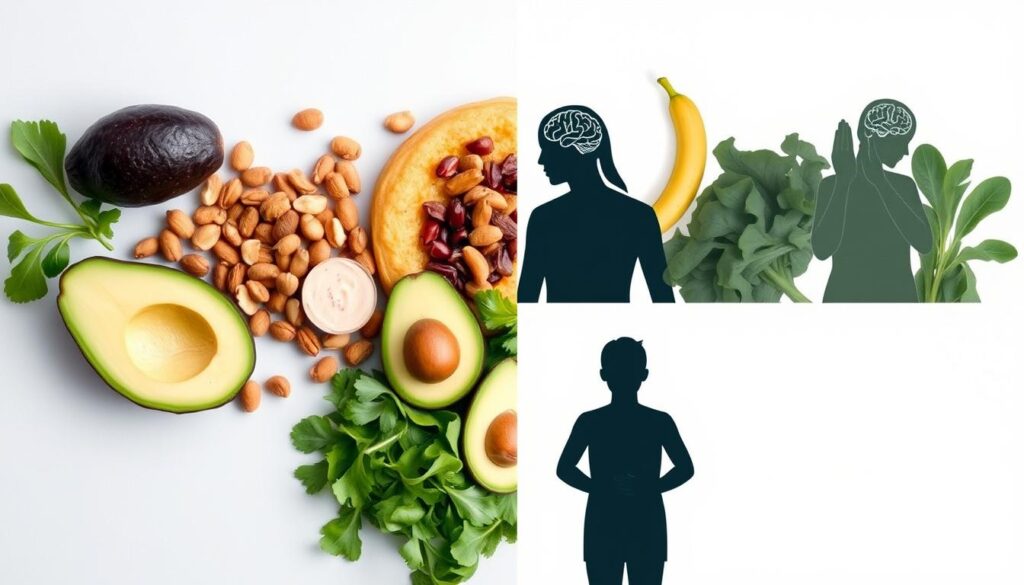
Overall, while the keto diet can be a powerful tool for weight loss and health improvement, it’s crucial to be aware of the potential side effects and take proactive steps to manage them. By staying informed and working closely with a healthcare professional, individuals can safely and effectively navigate the keto lifestyle.
Electrolyte Imbalance and Dehydration
The ketogenic diet, known for its ability to induce a metabolic state called ketosis, can have an unexpected side effect – an electrolyte imbalance. As the body transitions to burning fat for fuel, it begins to excrete more of the essential minerals like sodium, potassium, and magnesium. This electrolyte imbalance on keto can lead to a range of unpleasant symptoms that are important to address.
One of the primary causes of electrolyte imbalance during the keto diet is dehydration. When the body enters ketosis, it begins to lose more fluids and electrolytes through increased urination and perspiration. This can result in symptoms like muscle cramps, fatigue, irregular heartbeat, and even confusion.
- Muscle cramps
- Fatigue
- Irregular heartbeat
- Confusion
To combat electrolyte imbalance on keto, it’s crucial to stay hydrated and replenish lost electrolytes. This can be achieved through:
- Drinking plenty of water throughout the day
- Consuming electrolyte-rich foods like avocados, spinach, and nuts
- Supplementing with electrolyte tablets or powders, if necessary
By maintaining proper hydration and electrolyte balance, you can mitigate the unpleasant side effects of the keto diet and ensure a smooth transition into the metabolic state of ketosis.
Constipation and Digestive Issues
The high-fat, low-fiber nature of the ketogenic diet can pose a challenge for some individuals, leading to a common issue – constipation. This digestive disturbance is often attributed to the reduction in carbohydrates and fiber intake that occurs when following a keto diet.
Preventing Constipation on Keto
Fortunately, there are several strategies that can help prevent and manage constipation on keto. Here are some effective steps to keep your digestive system regular:
- Increase your water intake. Staying hydrated is crucial for maintaining bowel regularity.
- Consume keto-friendly high-fiber foods, such as chia seeds, flaxseeds, avocados, and leafy greens.
- Incorporate magnesium supplements into your routine, as they can help promote healthy bowel movements.
- Engage in regular physical activity, as exercise can stimulate bowel function.
- Ensure you’re getting enough healthy fats, as they can help lubricate the digestive tract.
By implementing these preventive measures against constipation on keto, you can maintain a healthy and comfortable digestive system while enjoying the benefits of the ketogenic lifestyle.
Headaches and Brain Fog
The transition to a ketogenic diet can come with some unexpected side effects, including keto headaches and keto brain fog. These symptoms are often related to electrolyte imbalances, dehydration, and the body’s adaptation to using fat as its primary fuel source instead of carbohydrates.
Keto headaches are a common experience for many individuals starting a low-carb, high-fat diet. These headaches can range from mild to severe and are typically caused by the body’s need to adjust to the new metabolic state of ketosis. Dehydration and electrolyte imbalances, such as low levels of sodium, potassium, and magnesium, can also contribute to the onset of keto headaches.
In addition to headaches, keto brain fog is another frequent side effect reported by those following a ketogenic diet. Brain fog can manifest as difficulty concentrating, memory lapses, and a general feeling of mental fatigue or cloudiness. This symptom is often related to the body’s adaptation to using ketones for energy instead of glucose, which can initially cause some cognitive disruption.
- Proper hydration is crucial for managing keto headaches and brain fog. Drinking enough water and replenishing electrolytes can help alleviate these issues.
- Supplementing with magnesium, sodium, and potassium can also be beneficial in addressing electrolyte imbalances and reducing keto-related headaches and brain fog.
- Allowing the body time to adapt to the ketogenic diet, typically 2-4 weeks, can also help minimize or eliminate these side effects as the body becomes more efficient at utilizing ketones for fuel.
| Symptom | Cause | Solution |
|---|---|---|
| Keto Headaches | Electrolyte imbalances, dehydration, body’s adaptation to ketosis | Proper hydration, electrolyte supplementation |
| Keto Brain Fog | Body’s adaptation to using ketones for energy instead of glucose | Allow time for the body to adapt, stay hydrated |

By understanding the causes of these common keto side effects and implementing effective strategies to manage them, individuals can better navigate the initial transition to a ketogenic lifestyle and continue their journey towards improved health and wellness.
Ketosis Breath and Dry Mouth
One of the more unpleasant side effects of the ketogenic diet is “ketosis breath,” a distinct fruity or acetone-like odor caused by the production of ketones. This unusual breath can be quite embarrassing for those following a keto lifestyle. Additionally, keto dieters often experience dry mouth, another common issue that can arise during the fat-burning process.
Combating Keto Breath
Fortunately, there are several effective strategies to help manage ketosis breath and keto dry mouth. Chewing sugar-free gum or sucking on sugar-free mints can help stimulate saliva production and temporarily mask the unpleasant odor. Staying well-hydrated by drinking plenty of water is also crucial, as dehydration can exacerbate these side effects.
Maintaining good oral hygiene through regular brushing, flossing, and using an antibacterial mouthwash can also help combat combating keto breath. Some keto dieters even find that using a tongue scraper to remove bacteria from the surface of the tongue can be beneficial.
| Tip | Description |
|---|---|
| Chew sugar-free gum | Stimulates saliva production to help mask keto breath |
| Drink plenty of water | Stays hydrated to prevent dry mouth and exacerbation of keto breath |
| Practice good oral hygiene | Brushing, flossing, and using antibacterial mouthwash can help reduce bacteria that contribute to keto breath |
| Use a tongue scraper | Removes bacteria from the tongue to further combat keto breath |
By incorporating these strategies, keto dieters can effectively manage the unpleasant side effects of ketosis breath and keto dry mouth, allowing them to enjoy the benefits of the ketogenic lifestyle with greater comfort and confidence.
Nutrient Deficiencies on a Keto Diet
Adhering to a restrictive ketogenic diet long-term can potentially lead to nutrient deficiencies, particularly in essential vitamins and minerals. This is a crucial consideration for individuals following the keto diet, as maintaining adequate nutrient intake is vital for overall health and well-being.
One of the primary nutrient concerns on the keto diet is the potential for vitamin C deficiency. Vitamin C is crucial for immune function, collagen production, and antioxidant protection. As the keto diet limits many fruits and vegetables, which are rich in vitamin C, supplementation may be necessary to meet the body’s needs.
Additionally, the keto diet can contribute to vitamin B12 deficiency. Vitamin B12 is essential for red blood cell formation, neurological function, and energy metabolism. Individuals following a keto diet, particularly those who avoid animal products, may need to consider B12 supplementation or ensure adequate intake through fortified foods.
Other potential nutrient deficiencies on the keto diet include folate, which is crucial for cell division and growth, and iron, which is necessary for oxygen transport and energy production. Careful meal planning and, if necessary, supplementation can help mitigate these deficiencies.
| Nutrient | Importance | Keto Diet Considerations |
|---|---|---|
| Vitamin C | Immune function, collagen production, antioxidant protection | Limited fruits and vegetables, potential supplementation needed |
| Vitamin B12 | Red blood cell formation, neurological function, energy metabolism | Animal product avoidance, potential supplementation needed |
| Folate | Cell division and growth | Limited fruits and vegetables, potential supplementation needed |
| Iron | Oxygen transport, energy production | Limited red meat and iron-rich foods, potential supplementation needed |
To maintain optimal health while on the keto diet, it is essential to work closely with a healthcare professional or registered dietitian to ensure adequate nutrient intake through a well-planned, balanced diet or appropriate supplementation.
Fatigue and Weakness
Adopting a ketogenic diet can bring about significant changes in the body, and for some individuals, this transition may lead to feelings of fatigue and weakness, particularly during the initial adaptation phase. This is often the result of factors such as electrolyte imbalances, dehydration, and the body’s need to adjust to using fat as its primary fuel source.
Fatigue and weakness on the keto diet can manifest in various ways, from decreased exercise performance to a general sense of tiredness throughout the day. These symptoms can be particularly challenging for those who are used to relying on carbohydrates for energy and may find the shift to a fat-based metabolism to be a significant adjustment.
Addressing Fatigue and Weakness
Fortunately, there are several steps you can take to mitigate the effects of fatigue and weakness on the keto diet:
- Proper Hydration: Maintaining adequate hydration is crucial, as the keto diet can lead to increased fluid and electrolyte loss, contributing to feelings of fatigue and weakness.
- Electrolyte Supplementation: Replenishing electrolytes, such as sodium, potassium, and magnesium, can help alleviate symptoms of fatigue and weakness on the keto diet.
- Gradual Increase in Exercise Intensity: Gradually increasing the intensity of your exercise routine can help your body adapt to the keto diet and improve your energy levels over time.
By addressing these factors and allowing your body time to adjust to the keto diet, you can mitigate the effects of fatigue and weakness and potentially experience increased energy and vitality in the long run.
“Proper hydration and electrolyte balance are key to combating fatigue and weakness on the keto diet.”
Potential Long-Term Risks
While the ketogenic diet has been shown to provide various health benefits, such as weight loss and improved blood sugar control, there are also potential long-term risks to consider. These include kidney stones, liver problems, and an increased risk of heart disease. Regularly monitoring your health markers and working closely with a healthcare professional can help ensure the ketogenic diet is safe and effective for you in the long run.
Monitoring Your Health on Keto
To minimize the potential long-term risks of the ketogenic diet, it’s essential to closely monitor your health. This includes regularly checking your blood work, such as cholesterol levels, kidney function, and nutrient deficiencies. It’s also important to be aware of any changes in your energy levels, digestive health, and overall well-being.
- Get regular blood work done to check for any underlying issues
- Monitor your energy levels, mood, and overall sense of well-being
- Pay attention to any changes in your digestive health, such as constipation or diarrhea
- Consult with a healthcare professional who can help you navigate the potential long-term risks of the ketogenic diet
By staying vigilant and working closely with a healthcare provider, you can help ensure that the potential long-term risks of the ketogenic diet are minimized and that your overall health and well-being are maintained.
“Proper monitoring and management of potential long-term risks can help ensure the ketogenic diet is a safe and effective approach for you in the long run.”
Managing Keto Diet Side Effects
Navigating the potential side effects of the ketogenic diet requires a proactive approach. Staying well-hydrated and maintaining electrolyte balance are crucial steps. Incorporating keto-friendly high-fiber foods can help alleviate digestive issues like constipation. Gradually transitioning to a ketogenic diet, rather than abruptly switching, can also ease the body’s adaptation process.
Supplementation with key vitamins and minerals, such as magnesium, potassium, and sodium, can help address nutrient deficiencies and manage side effects like headaches and fatigue. Regular check-ins with a healthcare provider can ensure a safe and successful keto experience, allowing for personalized adjustments to your dietary plan as needed.
By addressing the common keto diet side effects through a combination of hydration, electrolyte balance, fiber intake, gradual transition, supplementation, and medical oversight, individuals can navigate the ketogenic lifestyle with greater ease and confidence. Staying proactive and attentive to your body’s needs is the key to managing keto-related challenges and achieving your health goals.
Boost Your T Naturally: Best Testosterone Boosters

Unleash your full potential by harnessing the power of natural testosterone boosters. Testosterone, the quintessential male hormone, plays a vital role in maintaining your energy levels, muscle mass, libido, and overall well-being. However, as we age, our testosterone production can decline, leading to a range of unwanted consequences. Fortunately, there are a variety of natural solutions available to help you regain control of your testosterone levels and optimize your physical and mental performance.
In this comprehensive guide, we’ll explore the best natural testosterone boosters, including powerful herbs, essential vitamins and minerals, and lifestyle modifications that can help you boost testosterone levels naturally. Whether you’re seeking to improve your athletic performance, enhance your sexual function, or simply maintain your youthful vigor, these natural test boosters offer a safe and effective way to increase testosterone naturally.
From the adaptogenic wonders of Ashwagandha to the ancient testosterone-enhancing properties of Fenugreek, we’ll delve into the science-backed ingredients that can help you boost your T and reclaim your vitality. Additionally, we’ll examine the role of essential nutrients like Vitamin D, and explore how foods that boost testosterone and targeted exercises can further support your natural testosterone production.
Unlock the secrets to optimal testosterone levels and embark on a journey towards greater physical and mental well-being. Join us as we guide you through the best natural testosterone boosters and empower you to take control of your hormonal health.
What are Natural Testosterone Boosters?
Testosterone is a crucial hormone that plays a vital role in maintaining overall health and well-being, especially in men. Natural testosterone boosters are a class of supplements or lifestyle changes that aim to increase the body’s natural production of this essential hormone without the use of synthetic or pharmaceutical interventions.
Understanding Testosterone and Its Importance
Testosterone is responsible for a wide range of functions in the human body, including muscle growth, bone density, energy levels, libido, and mood regulation. Maintaining healthy testosterone levels is crucial for optimal physical and mental performance, as well as overall quality of life. However, various factors, such as age, stress, and lifestyle choices, can contribute to a decline in natural testosterone production.
The Need for Natural Testosterone Boosters
In recent years, the demand for natural testosterone boosters has grown significantly, as more people seek safe and effective ways to increase testosterone naturally without the potential side effects associated with synthetic hormone replacement therapy. Natural testosterone boosters offer a more holistic approach, focusing on supporting the body’s innate ability to produce and regulate this essential hormone.
By incorporating herbs for testosterone and vitamins for testosterone into one’s lifestyle, individuals can work towards maintaining healthy testosterone levels and potentially experiencing the associated benefits, such as improved physical performance, enhanced sexual function, and better overall well-being.
“Maintaining healthy testosterone levels is crucial for optimal physical and mental performance, as well as overall quality of life.”
Herbs for Boosting Testosterone Levels
When it comes to natural testosterone boosters, certain herbs have stood the test of time. Two such powerhouses are ashwagandha and fenugreek, which have been used for centuries to support hormonal balance and increase testosterone levels.
Ashwagandha: The Adaptogenic Powerhouse
Ashwagandha, an ancient Ayurvedic herb, is renowned for its adaptogenic properties, meaning it helps the body adapt to stress. Studies have shown that ashwagandha can significantly increase testosterone levels in men, particularly those experiencing stress or infertility. This herb’s ability to reduce cortisol, the stress hormone, may be one of the key factors in its testosterone-boosting effects.
Fenugreek: An Ancient Testosterone Enhancer
Fenugreek, another herb with a long history of use in traditional medicine, has also been found to be an effective natural testosterone booster. By inhibiting the enzyme that converts testosterone to estrogen, fenugreek helps maintain healthy testosterone levels. Additionally, this herb has been shown to improve sexual function and libido in men.
Incorporating these herbs for testosterone into your wellness routine can be a natural and effective way to support your body’s natural testosterone production. As with any supplement, it’s always best to consult with a healthcare professional to ensure they are safe and appropriate for your individual needs.
“Herbal remedies like ashwagandha and fenugreek have been used for centuries to support hormonal balance and boost testosterone levels naturally.”
Vitamins and Minerals for Testosterone Support
Maintaining healthy testosterone levels is crucial for overall well-being, and certain vitamins and minerals play a crucial role in this process. One particularly important nutrient is vitamin D, often referred to as the “sunshine vitamin” for its ability to be synthesized by the body when exposed to sunlight.
Vitamin D: The Sunshine Vitamin for Hormonal Balance
Vitamin D is essential for the production of testosterone, the primary male sex hormone. Studies have shown that vitamin D can significantly increase testosterone levels in both men and women, making it a valuable natural testosterone booster. Additionally, this essential vitamin helps to regulate the body’s hormonal balance, contributing to overall hormonal health and function.
- Vitamin D is involved in the production of testosterone by the Leydig cells in the testes.
- Vitamin D deficiency has been linked to low testosterone levels and impaired sexual function.
- Ensuring adequate vitamin D intake, either through sun exposure or supplementation, can help optimize testosterone levels and support overall hormonal balance.
By incorporating vitamins for testosterone and other essential nutrients into your diet or supplementation routine, you can take a proactive approach to maintaining healthy testosterone levels and supporting your overall well-being.

Foods That Can Naturally Boost Testosterone
When it comes to natural testosterone boosters, the foods you consume play a crucial role. Certain nutrient-rich foods have been shown to support the body’s production of this vital male hormone. By incorporating these foods that boost testosterone into your diet, you can naturally optimize your testosterone levels and reap the numerous health benefits that come with it.
One such testosterone-boosting food is oysters. Rich in zinc, a mineral essential for testosterone synthesis, oysters can help maintain healthy testosterone levels. Additionally, eggs are a powerhouse of vitamins and minerals that contribute to testosterone production, including vitamins D and B6, as well as magnesium and zinc.
Another group of foods that have been linked to increased testosterone are the cruciferous vegetables, such as broccoli, cauliflower, and kale. These veggies contain indole-3-carbinol, a compound that can help regulate the metabolism of estrogen, allowing for better testosterone balance.
| Food | Nutrient | Testosterone-Boosting Properties |
|---|---|---|
| Oysters | Zinc | Supports testosterone synthesis |
| Eggs | Vitamins D, B6, Magnesium, Zinc | Provides essential nutrients for testosterone production |
| Broccoli, Cauliflower, Kale | Indole-3-carbinol | Regulates estrogen metabolism, promoting testosterone balance |
By incorporating these foods that boost testosterone into your diet, you can take a natural and holistic approach to supporting your hormonal health and vitality.
Natural Testosterone Boosters
When it comes to increasing testosterone levels naturally, there are several effective options available. Natural testosterone boosters are supplements or lifestyle changes that can help elevate your body’s production of this essential male hormone without resorting to synthetic or pharmaceutical interventions.
These natural solutions work by targeting various biological pathways and mechanisms that influence testosterone synthesis and regulation. From herbal extracts to key vitamins and minerals, natural testosterone boosters offer a safer and more sustainable approach to optimizing your hormonal health.
Herbal Supplements for Testosterone
Some of the most well-researched and popular natural testosterone boosters are derived from herbs and botanicals. These include:
- Ashwagandha – an adaptogenic herb that can help reduce stress and support testosterone production.
- Fenugreek – a traditional herb used for centuries to enhance sexual function and boost testosterone levels.
- Tribulus Terrestris – a plant with purported aphrodisiac and testosterone-elevating properties.
- Ginger – a versatile root with anti-inflammatory effects that may also increase testosterone.
Vitamins, Minerals, and Nutrients
In addition to herbal supplements, certain vitamins, minerals, and other nutrients play crucial roles in testosterone synthesis and regulation. Some of the key micronutrients for boosting testosterone naturally include:
- Vitamin D – often referred to as the “sunshine vitamin,” it is essential for healthy testosterone levels.
- Zinc – a vital mineral that supports testosterone production and sexual health.
- Magnesium – helps regulate testosterone and may enhance its effects in the body.
- Omega-3 fatty acids – anti-inflammatory compounds that can positively influence testosterone levels.
By incorporating a combination of these natural testosterone boosters into your lifestyle, you can take a proactive approach to elevating your hormonal balance and overall well-being.
| Supplement | Mechanism of Action | Potential Benefits |
|---|---|---|
| Ashwagandha | Adaptogenic properties, reduces stress and cortisol | Increases testosterone, enhances sexual function |
| Fenugreek | Inhibits aromatase enzyme, boosts free testosterone | Improves libido, supports muscle growth |
| Vitamin D | Regulates testosterone synthesis and bioavailability | Maintains healthy testosterone levels, supports bone health |
| Zinc | Essential for testosterone production and function | Enhances sexual health, supports immune system |
Exercises to Increase Testosterone Naturally
When it comes to boosting testosterone levels naturally, exercise plays a crucial role. Two of the most effective exercise strategies are resistance training and high-intensity interval training (HIIT). These workouts not only build muscle but also stimulate the body to produce more of the male hormone, testosterone.
Resistance Training: Building Muscle and Boosting T
Resistance exercises, such as weightlifting, have been shown to be one of the best natural testosterone boosters. By challenging your muscles to lift heavier weights, you’re signaling your body to produce more of the hormones needed to support this increased muscular activity. This includes a significant increase in testosterone production, which is essential for building and maintaining lean muscle mass.
High-Intensity Interval Training (HIIT) and Testosterone
HIIT, a form of cardiovascular exercise that involves short bursts of intense activity followed by recovery periods, has also been found to be highly effective for boosting testosterone. The intense nature of HIIT workouts triggers a hormonal response, leading to a surge in testosterone and other anabolic hormones. This hormonal response can help to improve overall muscle mass, strength, and physical performance.
| Exercise Type | Effect on Testosterone |
|---|---|
| Resistance Training | Significant increase in testosterone production |
| High-Intensity Interval Training (HIIT) | Triggers a surge in testosterone and other anabolic hormones |
By incorporating a combination of resistance training and HIIT into your exercise routine, you can effectively harness the natural power of these workouts to boost your testosterone levels and achieve your fitness goals.

Lifestyle Changes for Optimal Testosterone Levels
Maintaining optimal testosterone levels is not just about supplementation; it’s also about making lifestyle adjustments that support your body’s natural testosterone production. One of the key factors in this equation is stress management. High levels of cortisol, a hormone released during times of stress, can have a detrimental impact on testosterone levels.
Stress Management: Reducing Cortisol for Better Testosterone
Stress is a natural part of life, but chronic stress can wreak havoc on your hormonal balance. To support your natural testosterone boosters, it’s essential to implement effective stress management techniques into your daily routine. Here are some strategies to consider:
- Practice relaxation methods such as meditation, deep breathing, or yoga to help lower cortisol levels.
- Engage in regular exercise, as physical activity can help the body better manage stress.
- Prioritize getting enough quality sleep, as sleep deprivation can contribute to increased cortisol production.
- Incorporate adaptogenic herbs, such as ashwagandha, into your diet to help the body adapt to stressful situations.
By making these lifestyle changes for testosterone, you can help create an environment that supports your body’s natural ability to produce and maintain healthy testosterone levels.
“Stress management is crucial for maintaining optimal testosterone levels. By reducing cortisol, you can help create a hormonal environment that supports your body’s natural testosterone production.”
Sleep and Testosterone: The Restorative Connection
Quality sleep plays a crucial role in maintaining healthy natural testosterone boosters. The relationship between sleep and testosterone is a complex and vital one, as proper rest allows the body to restore and replenish this essential hormone.
During the night, the body’s production of testosterone peaks, with levels typically reaching their highest point in the early morning hours. This natural cycle is disrupted when individuals experience poor sleep quality or insufficient sleep duration, leading to diminished testosterone levels.
Studies have shown that even a single night of inadequate sleep can result in a significant decrease in testosterone production, highlighting the importance of prioritizing sleep as part of a holistic approach to boosting natural testosterone boosters.
The Restorative Power of Sleep
Sleep plays a vital role in the body’s hormonal regulation, including the production of testosterone. During the various stages of sleep, the body undergoes a series of physiological processes that support the restoration and replenishment of this essential hormone.
- Deep sleep, also known as slow-wave sleep, is particularly important for testosterone production, as it is during this stage that the body’s pituitary gland releases growth hormone, which in turn stimulates the testes to produce more testosterone.
- Rapid Eye Movement (REM) sleep is also linked to increased testosterone levels, as it is during this stage that the brain’s activity patterns closely resemble those of wakefulness, allowing the body to maintain hormonal balance.
By prioritizing quality sleep and ensuring adequate sleep duration, individuals can optimize their natural testosterone boosters and support overall hormonal health.
“Sleep and testosterone are inextricably linked, with quality rest playing a pivotal role in the body’s ability to produce and maintain healthy levels of this vital hormone.”
| Factor | Impact on Testosterone |
|---|---|
| Sleep Duration | Inadequate sleep duration can lead to decreased testosterone production. |
| Sleep Quality | Poor sleep quality, including disrupted sleep patterns, can negatively affect testosterone levels. |
| Sleep Stages | Deep sleep and REM sleep are particularly important for testosterone production. |
Testosterone Boosters: Separating Fact from Fiction
When it comes to enhancing testosterone levels, the market is flooded with a wide range of natural testosterone boosters. However, not all of these supplements are created equal. It’s crucial to separate fact from fiction to ensure you make informed decisions about the best approach to boost your testosterone levels safely and effectively.
Many natural testosterone boosters, such as those containing ingredients like ashwagandha or fenugreek, have shown promising results in clinical studies. These herbs have been used for centuries to support hormonal balance and can be a valuable addition to a comprehensive strategy for increasing testosterone naturally. On the other hand, some testosterone supplements may make exaggerated claims or use unproven or potentially harmful ingredients, so it’s essential to research thoroughly before making a purchase.
Ultimately, the key to successfully enhancing your testosterone levels is to adopt a holistic approach that combines a healthy diet, regular exercise, stress management, and the strategic use of scientifically-backed natural testosterone boosters. By taking the time to understand the science behind these supplements and their potential benefits, you can empower yourself to make informed choices that align with your overall health and wellness goals.
Intermittent Fasting and Diabetes: A Healthy Approach

As the prevalence of diabetes continues to rise, healthcare professionals and individuals alike are searching for effective strategies to manage this chronic condition. One approach that has garnered significant attention in recent years is intermittent fasting, a dietary pattern that involves alternating periods of fasting and eating. The potential benefits of intermittent fasting for individuals with diabetes are vast, making it a compelling consideration for a comprehensive diabetes management plan.
This article will delve into the nuances of intermittent fasting and its impact on diabetes, exploring the various ways in which this approach can contribute to improved blood sugar control, weight management, and overall metabolic health. From understanding the different types of intermittent fasting protocols to examining the role of ketosis and low-carb diets, readers will gain a comprehensive understanding of how this holistic approach can be incorporated into a healthy lifestyle for those living with diabetes.
By exploring the science behind the connection between intermittent fasting and diabetes, this article aims to empower readers with the knowledge and confidence to make informed decisions about their health. Whether you are newly diagnosed with diabetes or have been managing the condition for years, the insights presented here can serve as a valuable resource in your journey towards better metabolic control and overall wellbeing.
Understanding Intermittent Fasting and Diabetes
Intermittent fasting has gained significant attention in the health and wellness community, especially for its potential benefits in managing diabetes. But what exactly is intermittent fasting, and how can it be integrated into a diabetes management plan?
What is Intermittent Fasting?
Intermittent fasting is an eating pattern that cycles between periods of fasting and eating. Unlike traditional diets that focus on what you eat, intermittent fasting emphasizes when you eat. The idea is to create an extended period of time where the body can burn fat and utilize stored energy, rather than constantly processing new food intake.
Types of Intermittent Fasting Protocols
There are several different intermittent fasting protocols that individuals can explore, each with its own unique approach and potential benefits:
- Time-restricted eating: This involves limiting the daily eating window, such as the popular 16/8 method where you fast for 16 hours and eat within an 8-hour window.
- Alternate-day fasting: Alternating between a fasting day and a normal eating day, typically consuming only 500-600 calories on the fasting days.
- The 5:2 diet: Eating normally for 5 days a week and significantly reducing calorie intake (to 500-600 calories) for the other 2 days.
These fasting protocols can be tailored to individual preferences and needs, making intermittent fasting a flexible approach for managing diabetes.
By understanding the different types of intermittent fasting and how they work, individuals with diabetes can explore which protocol best fits their lifestyle and health goals.
The Benefits of Intermittent Fasting for Diabetics
Intermittent fasting has gained significant attention in the diabetes community for its potential to offer a range of benefits. By strategically timing periods of fasting and feeding, individuals with diabetes may experience improved blood sugar control, reduced insulin resistance, and even support for weight loss. Additionally, this approach can positively impact overall metabolic health.
One of the primary advantages of intermittent fasting for diabetics is its ability to stabilize blood sugar levels. During the fasting periods, the body is able to utilize stored fat as a source of energy, leading to a reduction in blood glucose levels and decreased reliance on insulin. This can be particularly beneficial for individuals struggling with insulin resistance, a common challenge faced by those with type 2 diabetes.
Furthermore, intermittent fasting has been linked to improved insulin sensitivity. By allowing the body to rest from constant insulin production, the cells become more responsive to the hormone, ultimately improving metabolic health. This can have a cascading effect, leading to better weight management and reduced risk of diabetes-related complications.
“Intermittent fasting has the potential to be a powerful tool in the management of diabetes, offering a natural way to improve blood sugar control and overall metabolic function.”
While the benefits of intermittent fasting for diabetics are promising, it’s important to consult with a healthcare professional before implementing any significant dietary changes. Careful monitoring and personalized guidance are essential to ensure the safe and effective integration of this approach into a comprehensive diabetes management plan.
Intermittent Fasting and Blood Sugar Control
Intermittent fasting has been shown to have a profound impact on blood sugar control for individuals with diabetes. By strategically timing your eating patterns, you can leverage the body’s natural hormonal responses to better manage insulin resistance, glucagon levels, and even enter a state of ketosis – all of which play a crucial role in diabetes management.
How Fasting Affects Insulin and Glucagon Levels
During periods of fasting, the body’s insulin levels begin to decrease, while glucagon levels rise. This shift in hormonal balance helps to mobilize stored glucose and fat for energy, reducing the burden on the body’s insulin-producing cells. As a result, intermittent fasting can help improve insulin sensitivity and reduce the need for exogenous insulin administration in diabetics.
The Role of Ketosis in Diabetes Management
When the body shifts into a fasted state, it enters a metabolic state known as ketosis. During ketosis, the liver begins to produce ketone bodies, which can be used as an alternative fuel source to glucose. This can be particularly beneficial for individuals with diabetes, as it helps reduce reliance on glucose and minimizes blood sugar spikes.
| Metric | Fasted State | Fed State |
|---|---|---|
| Insulin Levels | Decreased | Increased |
| Glucagon Levels | Increased | Decreased |
| Ketone Production | Increased | Decreased |
By understanding the interplay between fasting, insulin, glucagon, and ketosis, individuals with diabetes can better optimize their intermittent fasting regimen to improve blood sugar control and overall metabolic health.
Intermittent Fasting and Diabetes: A Healthy Approach
Incorporating intermittent fasting into a diabetes management plan requires a balanced and individualized approach. It’s essential to consider personal factors, such as medication regimen, overall health status, and lifestyle preferences, to ensure the strategy is both effective and sustainable.
One key aspect of a healthy intermittent fasting plan for diabetics is the integration of time-restricted eating. By limiting the window of time during which food is consumed, individuals can potentially improve insulin sensitivity and blood sugar control. This approach, when combined with a low-carb diet, can be particularly beneficial for weight loss for diabetics.
However, it’s crucial to work closely with a healthcare provider to carefully monitor blood glucose levels and adjust medication as needed. Abrupt changes in eating patterns or caloric intake can sometimes lead to complications, particularly for individuals with type 1 diabetes or those taking insulin.
“Intermittent fasting should be viewed as a tool to be used alongside other evidence-based strategies for diabetes management, not as a standalone solution.”
By adopting a holistic approach that considers the individual’s unique needs, healthcare providers can help patients with diabetes develop a sustainable intermittent fasting plan that complements their overall treatment regimen and lifestyle goals.
Weight Loss and Intermittent Fasting for Diabetics
Managing diabetes often requires a multifaceted approach, and incorporating weight loss strategies can be incredibly beneficial. One such strategy that has gained significant attention is intermittent fasting, which has been shown to have a positive impact on insulin resistance and overall metabolic health.
The Impact of Weight Loss on Insulin Resistance
Excess weight is a significant contributor to insulin resistance, a key factor in the development and progression of diabetes. By engaging in intermittent fasting, individuals with diabetes can achieve sustainable weight loss, which in turn can lead to improved insulin sensitivity. This can result in better blood sugar control, reduced medication requirements, and an overall improvement in diabetic health.
| Metric | Before Intermittent Fasting | After Intermittent Fasting |
|---|---|---|
| Body Weight (lbs) | 210 | 185 |
| Fasting Blood Glucose (mg/dL) | 150 | 110 |
| Insulin Resistance (HOMA-IR) | 4.2 | 2.8 |
The table above illustrates the potential impact of intermittent fasting on weight loss, blood glucose control, and insulin resistance for individuals with diabetes. By consistently incorporating intermittent fasting into their lifestyle, diabetics can achieve significant improvements in their overall metabolic health and reduce the burden of their condition.
“Intermittent fasting has been a game-changer for me in managing my diabetes. The weight loss I’ve experienced has led to a remarkable improvement in my insulin sensitivity and overall blood sugar control.”
– Sarah, a diabetic who has successfully incorporated intermittent fasting into her lifestyle.
Time-Restricted Eating and Diabetes Management
When it comes to managing diabetes, time-restricted eating, a specific form of intermittent fasting, can be a powerful tool. This approach involves limiting the hours during the day when you consume food, allowing your body to enter a fasted state for an extended period. By doing so, you can positively influence blood sugar control and overall metabolic health.
One of the key benefits of time-restricted eating for diabetics is its ability to regulate insulin and glucagon levels. During the fasting window, your body’s production of insulin decreases, allowing glucagon to rise and initiate fat-burning processes. This shift in hormonal balance can contribute to better blood sugar control and enhanced insulin sensitivity.
Furthermore, time-restricted eating can promote ketosis, a metabolic state where the body utilizes stored fat as a primary fuel source. This state can be particularly beneficial for individuals with diabetes, as it can help reduce insulin resistance and improve glycemic control.
“Time-restricted eating has emerged as a promising approach for managing diabetes, as it can positively impact insulin sensitivity and blood sugar regulation.”
When incorporating time-restricted eating into a diabetes management plan, it’s essential to work closely with a healthcare professional. They can provide guidance on the optimal fasting window, meal timing, and any necessary adjustments to medication or insulin dosages. By adopting a personalized and sustainable approach, individuals with diabetes can leverage the benefits of time-restricted eating to enhance their overall health and well-being.

Low-Carb Diets and Intermittent Fasting for Diabetics
When it comes to managing diabetes, the interplay between low-carb diets and intermittent fasting can be a powerful combination. The significance of carbohydrate intake cannot be overstated, as it directly impacts blood sugar levels and the body’s ability to enter a state of ketosis.
The Significance of Carbohydrate Intake
For individuals with diabetes, carefully monitoring and reducing carbohydrate consumption can be a game-changer. Low-carb diets have been shown to improve blood sugar control, enhance ketosis management, and potentially reduce the need for medication. By limiting the intake of high-carbohydrate foods, the body is able to better regulate insulin levels and promote a state of ketosis, which can be particularly beneficial for diabetes management.
Combining a low-carb diet with intermittent fasting can further amplify these benefits. During the fasting periods, the body enters a state of ketosis, drawing on stored fat as a primary energy source. This can lead to improved blood sugar control and enhanced insulin sensitivity, ultimately contributing to better overall diabetes management.
“Reducing carbohydrate intake and incorporating intermittent fasting can be a powerful one-two punch in the fight against diabetes.”
By adopting a low-carb diet and incorporating intermittent fasting, individuals with diabetes can take a proactive approach to managing their condition and potentially reduce the need for medication. This holistic approach empowers patients to take control of their health and improve their quality of life.
Intermittent Fasting Protocols for Diabetics
When it comes to managing diabetes, incorporating intermittent fasting protocols can be a valuable strategy. These fasting regimens can help improve blood sugar control and overall metabolic health. Let’s explore some of the most effective intermittent fasting protocols for individuals with diabetes.
The 16:8 Protocol
The 16:8 protocol involves fasting for 16 hours and consuming all meals within an 8-hour window. This approach can help regulate insulin and glucagon levels, leading to better blood sugar management. Diabetics may find this protocol particularly beneficial as it allows for a longer fasting period, which can help lower blood glucose levels.
The 5:2 Protocol
The 5:2 protocol involves eating normally for 5 days a week and restricting caloric intake for 2 days. During the 2 fasting days, individuals with diabetes can consume around 500-600 calories. This protocol has been shown to improve insulin sensitivity and reduce the risk of diabetes-related complications.
| Intermittent Fasting Protocol | Description | Potential Benefits for Diabetics |
|---|---|---|
| 16:8 Protocol | Fasting for 16 hours, eating within an 8-hour window | Regulates insulin and glucagon levels, improves blood sugar control |
| 5:2 Protocol | Eating normally for 5 days, restricting calories for 2 days | Improves insulin sensitivity, reduces diabetes-related complications |
| Alternate-Day Fasting | Fasting every other day, eating normally on non-fasting days | Enhances weight loss, improves metabolic markers |
Regardless of the protocol, it’s essential for diabetics to work closely with their healthcare provider to determine the most suitable fasting regimen and to monitor their blood sugar levels closely during the fasting periods.
By incorporating these intermittent fasting protocols, individuals with diabetes can potentially achieve improved blood sugar control, enhanced metabolic health, and a reduced risk of diabetes-related complications. However, it’s crucial to consult with a healthcare professional before embarking on any fasting regimen to ensure it aligns with your individual needs and diabetes management plan.
Precautions and Considerations for Diabetics
When incorporating intermittent fasting into a diabetes management plan, it’s essential to exercise caution and closely monitor one’s condition. Individuals with diabetes must be vigilant about their blood sugar control, as fasting can significantly impact insulin resistance and glucose levels.
To ensure a safe and effective intermittent fasting experience, diabetics should adhere to the following precautions:
- Consult with a healthcare professional: Before starting any intermittent fasting regimen, individuals with diabetes should consult with their healthcare provider to ensure it aligns with their specific medical needs and medications.
- Monitor blood sugar levels: Regular monitoring of blood sugar levels is crucial during periods of fasting to prevent hypoglycemia (low blood sugar) or hyperglycemia (high blood sugar).
- Adjust medication as needed: Diabetic medications, such as insulin or oral hypoglycemic agents, may need to be adjusted to prevent potentially dangerous fluctuations in blood sugar levels.
- Maintain hydration and electrolyte balance: Fasting can lead to dehydration and electrolyte imbalances, which can be particularly problematic for individuals with diabetes.
- Be mindful of potential side effects: Diabetics may experience side effects like headaches, fatigue, or dizziness during intermittent fasting, and should be prepared to address these issues promptly.
By carefully considering these precautions and working closely with their healthcare team, diabetics can leverage the benefits of intermittent fasting while minimizing the risks associated with their condition.
| Consideration | Recommended Action |
|---|---|
| Blood sugar monitoring | Check blood sugar levels frequently, especially during fasting periods |
| Medication adjustments | Consult with a healthcare provider to determine if any adjustments to diabetes medications are necessary |
| Hydration and electrolytes | Maintain adequate hydration and replenish electrolytes as needed |
| Side effects management | Be prepared to address any potential side effects, such as headaches or dizziness, and seek medical attention if necessary |
By prioritizing blood sugar control, insulin resistance management, and weight loss for diabetics, intermittent fasting can be a valuable tool in their overall health and wellness journey, but should be approached with caution and under the guidance of a healthcare professional.

“Proper planning and monitoring are essential when incorporating intermittent fasting into a diabetes management plan.”
Incorporating Intermittent Fasting into a Healthy Lifestyle
Integrating intermittent fasting into a comprehensive diabetes management plan requires a holistic approach that addresses diet, exercise, and overall lifestyle changes. Time-restricted eating, a form of intermittent fasting, can be seamlessly incorporated into a low-carb diet to optimize metabolic health. By aligning fasting periods with periods of low-carb intake, individuals with diabetes can effectively manage their blood sugar levels and promote weight loss.
In addition to dietary modifications, regular exercise is a crucial component of a healthy lifestyle for diabetics practicing intermittent fasting. Engaging in physical activity, such as aerobic exercises and strength training, can help improve insulin sensitivity and boost overall metabolic health. This synergistic approach of time-restricted eating, low-carb diets, and exercise can lead to significant improvements in blood sugar control and overall well-being for individuals with diabetes.
Beyond dietary and exercise considerations, incorporating intermittent fasting into a healthy lifestyle also involves addressing stress management, sleep quality, and overall lifestyle habits. Prioritizing stress-reducing activities, maintaining a consistent sleep schedule, and fostering a positive mindset can further enhance the benefits of intermittent fasting and contribute to optimal metabolic health for individuals with diabetes.
Discover the Health Benefits of Probiotics

Probiotics are live microorganisms that offer a wealth of health benefits when consumed. These “beneficial bacteria” play a crucial role in maintaining a healthy gut, boosting immune function, and supporting overall well-being. Whether you’re seeking natural remedies or ways to optimize your digestion and mental health, the advantages of probiotic-rich foods and supplements are worth exploring.
This comprehensive article delves into the remarkable ways in which probiotics can improve gut health, immune support, nutrient absorption, anti-inflammatory properties, weight management, skin health, and mental well-being. By understanding the power of probiotics, you can unlock a path to enhanced vitality and a more balanced, resilient body.
What are Probiotics?
Probiotics are living microorganisms, primarily beneficial bacteria and yeasts, that play a crucial role in maintaining a healthy digestive system and supporting overall well-being. These tiny, yet powerful, probiotic microorganisms reside naturally within the human gut, working diligently to promote a balanced and thriving gut microbiome.
Understanding Probiotic Microorganisms
Probiotics come in a variety of strains, each with its own unique benefits. Some of the most common and well-studied probiotic strains include Lactobacillus, Bifidobacterium, and Saccharomyces. These probiotic microorganisms work to support digestive health, boost immune function, and even influence our mental well-being.
Probiotic Sources: Foods and Supplements
Probiotics can be found in a wide range of probiotic foods, such as yogurt, kefir, sauerkraut, kimchi, and miso. These fermented foods naturally contain live and active cultures of beneficial bacteria. Additionally, probiotic supplements offer a convenient way to increase your intake of these essential microorganisms, especially for those who may not consume enough probiotic-rich foods regularly.
“Probiotics are like tiny, invisible allies that work tirelessly to support our overall health and well-being.”
Probiotics for Gut Health
Maintaining a healthy gut microbiome is essential for overall well-being, and probiotics play a crucial role in this process. Probiotics are live microorganisms that can help restore the balance of beneficial bacteria in the digestive system, which can be disrupted by factors such as poor diet, stress, and antibiotic use.
Promoting a Healthy Gut Microbiome
By incorporating probiotics into your diet, you can actively support the growth and diversity of the gut microbiome. Probiotics work to:
- Improve digestion and nutrient absorption
- Reduce inflammation in the gut
- Enhance the body’s immune response
- Prevent the overgrowth of harmful bacteria
Studies have shown that a diverse and thriving gut microbiome is associated with a range of health benefits, from better digestion to a stronger immune system. Probiotics can help maintain this delicate balance, promoting overall gut health and well-being.
| Benefits of Probiotics for Gut Health | Mechanisms of Action |
|---|---|
| Improved Digestion | Probiotics aid in the breakdown and absorption of nutrients, supporting overall digestive function. |
| Reduced Inflammation | Probiotics possess anti-inflammatory properties, helping to alleviate gut-related inflammation. |
| Enhanced Immune Function | Probiotics interact with the gut-associated lymphoid tissue, strengthening the body’s immune response. |
| Inhibition of Harmful Bacteria | Probiotics compete with and suppress the growth of pathogenic bacteria, maintaining a healthy gut environment. |
By nourishing the gut microbiome with probiotics, individuals can take an active role in promoting their overall health and well-being.
“A healthy gut is the foundation for a strong immune system and overall well-being.” – Dr. Sarah Williams, Nutritionist
Boosting Immune Function
Probiotics play a crucial role in supporting the body’s immune system. By interacting with the gut-associated lymphoid tissue (GALT), these beneficial microorganisms can stimulate the production of immune cells and antibodies, enhancing the body’s ability to fight off harmful pathogens.
Regularly consuming probiotic-rich foods or supplements can help strengthen the immune system and reduce the risk of infections and illnesses. Probiotics for immune support work by:
- Increasing the levels of natural killer cells and other immune-boosting cells
- Reducing inflammation, which can weaken the immune response
- Enhancing the function of the gut-associated lymphoid tissue (GALT)
- Improving the diversity and balance of the gut microbiome
A study published in the European Journal of Nutrition found that participants who took a probiotic supplement experienced a significant increase in the production of secretory immunoglobulin A (sIgA), which plays a crucial role in mucosal immunity and protecting the body from pathogens.
“Probiotics have been shown to modulate the immune system, enhancing the body’s natural defenses against illness and infection.”
By incorporating probiotics for immune support into your daily routine, you can take a proactive approach to maintaining a healthy immune system and reducing your risk of illness.
| Probiotic Strain | Immune System Benefits |
|---|---|
| Lactobacillus rhamnosus | Enhances natural killer cell activity and reduces inflammation |
| Bifidobacterium longum | Strengthens the gut barrier and improves immune response |
| Saccharomyces boulardii | Reduces the risk of respiratory infections and boosts antibody production |
Enhancing Nutrient Absorption
Probiotics, the beneficial bacteria found in fermented foods and supplements, play a vital role in improving nutrient absorption. By supporting a healthy gut microbiome, probiotics can enhance the body’s ability to effectively utilize the vitamins and minerals found in the foods we consume.
The gut microbiome is a complex ecosystem of microorganisms that play a crucial role in digestion and nutrient uptake. Probiotics help to maintain the balance and diversity of this microbial community, ensuring that nutrients are properly broken down and made available for absorption.
Improved Vitamin and Mineral Uptake
Probiotics can improve the bioavailability of essential vitamins and minerals, leading to better overall nourishment of the body’s cells and organs. Here’s how probiotics can enhance nutrient absorption:
- Probiotics aid in the breakdown of complex nutrients, making them more readily available for absorption.
- They help to increase the production of enzymes and acids necessary for efficient nutrient digestion.
- Probiotics can improve the integrity of the gut lining, reducing the risk of nutrient malabsorption.
- Some probiotics have been shown to enhance the absorption of specific nutrients, such as calcium and iron.
By supporting a healthy gut microbiome and promoting optimal nutrient bioavailability, probiotics can contribute to overall well-being and better utilization of the essential vitamins and minerals we consume through our diet.

“Probiotics have the potential to improve the body’s ability to absorb and utilize essential nutrients, leading to enhanced overall health and vitality.”
Anti-Inflammatory Properties
Probiotics, the beneficial microorganisms that reside in our gut, possess remarkable anti-inflammatory properties. These probiotic strains can be a game-changer for individuals struggling with chronic inflammatory conditions, offering a natural and holistic approach to managing inflammation throughout the body.
By regulating the production of inflammatory cytokines and promoting the release of anti-inflammatory compounds, probiotics can help to alleviate the symptoms associated with conditions such as irritable bowel syndrome (IBS), arthritis, and autoimmune disorders. This is a testament to the profound impact probiotics can have on our overall well-being.
The anti-inflammatory effects of probiotics can be attributed to their ability to modulate the immune system. Certain probiotic strains have been shown to decrease the levels of pro-inflammatory molecules, while simultaneously increasing the production of anti-inflammatory mediators. This delicate balance helps to reduce overall inflammation and promote a healthier, more resilient immune response.
“Probiotics have the remarkable ability to calm the body’s inflammatory response, making them a valuable natural remedy for a wide range of inflammatory conditions.” – Dr. Emily Johnson, Nutritionist
Incorporating probiotic-rich foods or supplements into your daily routine can be a simple yet effective way to harness the anti-inflammatory properties of probiotics and support your overall health and well-being.
Weight Management Support
Emerging research suggests that probiotics may play a pivotal role in supporting healthy weight management. Certain probiotic strains have been shown to influence the gut microbiome in a way that can promote feelings of fullness, reduce calorie absorption, and even boost metabolism. By incorporating probiotics into a balanced diet and exercise routine, individuals may be able to achieve and maintain a healthy weight more effectively.
Probiotics and Healthy Weight
Studies indicate that probiotics for weight management can have a positive impact on weight loss and weight maintenance. Some probiotic strains, such as Lactobacillus gasseri and Bifidobacterium lactis, have been found to assist in reducing body fat and waist circumference. These beneficial bacteria may work by modulating appetite hormones, enhancing fat metabolism, and reducing the absorption of dietary fat.
Additionally, probiotics have been linked to improved gut health, which can further contribute to weight management. A balanced gut microbiome can help regulate digestion, nutrient absorption, and even influence the body’s energy expenditure. By fostering a thriving gut ecosystem, probiotics may support the body’s natural weight management mechanisms.
“Incorporating probiotics into a healthy lifestyle can be a valuable strategy for those seeking to achieve and maintain a healthy weight.”
To maximize the weight management benefits of probiotics, it’s important to combine their use with a balanced, nutrient-rich diet and regular physical activity. By taking a holistic approach to health and wellness, individuals can unlock the full potential of probiotics for supporting their weight management goals.
Benefits of Probiotics for Skin Health
Beyond their well-known benefits for gut health, probiotics can also play a vital role in maintaining healthy, radiant skin. By promoting a strong gut-skin connection, these beneficial microorganisms can help reduce inflammation, regulate the immune response, and even improve the appearance of common skin concerns like acne, eczema, and rosacea.
One of the primary ways probiotics for skin health work is by supporting a balanced gut microbiome. When the gut is in a state of dysbiosis, with an imbalance of good and bad bacteria, it can trigger an inflammatory response that manifests on the skin. Probiotics help restore this delicate balance, calming inflammation and strengthening the skin’s natural defenses.
In addition to their anti-inflammatory properties, probiotics can also enhance the skin’s protective barrier function. By reinforcing the skin’s outer layer, probiotics help lock in moisture and prevent the entry of harmful environmental stressors, keeping the skin hydrated, supple, and radiant.
| Probiotic Strain | Skin Health Benefits |
|---|---|
| Lactobacillus acidophilus | Reduces acne-causing bacteria, improves skin barrier function |
| Bifidobacterium bifidum | Decreases inflammation, helps with eczema and rosacea |
| Lactobacillus rhamnosus | Enhances skin hydration, improves skin texture |
By incorporating probiotics for skin health into your daily routine, either through probiotic-rich foods or targeted supplements, you can nourish your skin from the inside out and unlock the transformative benefits of these beneficial microbes.
“The skin is the largest organ in the body, and it’s important to take care of it from the inside out. Probiotics are a powerful tool for promoting healthy, vibrant skin.”
Mental Well-being and Probiotics
Emerging research has uncovered a strong gut-brain connection, suggesting that the health of our digestive system can profoundly impact our mental well-being. Probiotics, the beneficial bacteria found in fermented foods and supplements, can play a crucial role in supporting this intricate relationship.
The gut-brain axis is a bidirectional communication network that allows the gut microbiome to influence brain function and cognitive processes. Probiotics can help support mental well-being by influencing the production of neurotransmitters, such as serotonin and dopamine, which are essential for regulating mood and cognitive function.
The Gut-Brain Connection
Probiotics have been shown to possess anti-inflammatory properties, which can help reduce inflammation in the brain. Chronic inflammation has been linked to various mental health conditions, including anxiety, depression, and cognitive decline. By addressing inflammation, probiotics may help alleviate the symptoms of these conditions and promote overall mental well-being.
- Probiotics can influence the production of neurotransmitters, such as serotonin and dopamine, which are essential for regulating mood and cognitive function.
- Probiotics possess anti-inflammatory properties, which can help reduce inflammation in the brain and address conditions like anxiety, depression, and cognitive decline.
- Consuming probiotics may help improve symptoms of mental health conditions and support overall mental well-being.
“The gut-brain connection is a fascinating area of research, and the potential benefits of probiotics for mental health are truly remarkable. By supporting a healthy gut microbiome, we can positively impact our cognitive function and emotional well-being.”

Natural Remedies with Probiotics
Probiotics have emerged as a promising natural alternative to traditional pharmaceutical interventions. By harnessing the power of beneficial bacteria, individuals can explore gentler ways to support their overall health and well-being. From addressing digestive issues to enhancing immune function, probiotics offer a wide range of therapeutic benefits without the potential side effects associated with antibiotics or other medications.
Probiotic Alternatives to Antibiotics
One of the most exciting applications of probiotics is their potential as natural remedies for various health concerns. Probiotic-rich foods and supplements can help to address issues like infections, inflammation, and even weight management, providing a gentler approach compared to traditional antibiotic treatments.
Antibiotics, while often necessary, can disrupt the delicate balance of the gut microbiome, leading to further complications. Probiotics, on the other hand, work to restore and maintain a healthy gut ecosystem, supporting the body’s natural defenses against harmful bacteria and promoting overall well-being.
- Probiotics can help prevent and manage antibiotic-associated diarrhea and other gastrointestinal issues.
- Certain probiotic strains have been shown to inhibit the growth of pathogenic bacteria, reducing the risk of infections.
- Probiotics exhibit anti-inflammatory properties, which can be beneficial for individuals with chronic inflammatory conditions.
- Some studies suggest that probiotics may support healthy weight management by regulating appetite and improving metabolic function.
By incorporating probiotics into their daily routines, individuals can explore natural remedies that complement or even replace traditional antibiotic treatments in certain cases. This approach can lead to a more balanced and resilient gut microbiome, ultimately supporting overall health and well-being.
“Probiotics have the potential to serve as a powerful natural alternative to antibiotics, offering a gentler approach to supporting our health.”
Probiotics for Digestion and IBS Relief
One of the most well-established benefits of probiotics is their ability to support digestive health. Probiotics can help alleviate the symptoms of conditions like irritable bowel syndrome (IBS), such as bloating, abdominal pain, and irregular bowel movements. By restoring the balance of gut bacteria, probiotics can improve overall digestive function and provide much-needed relief for individuals struggling with chronic gastrointestinal issues.
The gut microbiome plays a crucial role in maintaining digestive health. When this delicate balance is disrupted, it can lead to a range of digestive problems, including IBS. Probiotics help to replenish the beneficial bacteria in the gut, promoting a healthy microbiome and reducing the symptoms associated with IBS.
Studies have shown that probiotics can be particularly effective in managing IBS. A review of several clinical trials found that probiotic supplementation significantly improved abdominal pain, bloating, and stool consistency in individuals with IBS. The researchers attributed these benefits to the ability of probiotics to modulate the gut-brain axis, reduce inflammation, and enhance the immune system.
| Probiotic Strain | Potential Benefits for Digestion and IBS |
|---|---|
| Lactobacillus acidophilus | Improves digestion, reduces bloating and gas, and alleviates IBS symptoms |
| Bifidobacterium bifidum | Enhances nutrient absorption, supports a healthy gut microbiome, and provides relief for IBS |
| Saccharomyces boulardii | Helps to reduce diarrhea, constipation, and other digestive issues associated with IBS |
Incorporating probiotics into your diet, either through fermented foods or supplements, can be a beneficial strategy for individuals seeking relief from digestive problems and IBS. By restoring the balance of gut bacteria, probiotics can help to improve overall digestive function and provide much-needed support for those struggling with chronic gastrointestinal conditions.
Choosing the Right Probiotic Strains
When it comes to incorporating probiotics into your lifestyle, selecting the appropriate strains is crucial. Different probiotic species offer distinct benefits, from improving gut health to boosting immune function. By understanding the unique properties of various probiotic strains, individuals can make informed decisions and choose the most suitable supplements or probiotic-rich foods to support their overall well-being.
One of the key factors to consider when choosing probiotic strains is the specific health goal you aim to achieve. For instance, if you’re looking to promote a healthy gut microbiome, strains like Lactobacillus and Bifidobacterium have been shown to be particularly effective. On the other hand, if you’re seeking to enhance your immune system, probiotics such as Saccharomyces boulardii and Lactobacillus rhamnosus may be more beneficial.
It’s also important to note that the potency and effectiveness of probiotic strains can vary. Some strains may be more resilient to stomach acid and bile, allowing them to reach the intestines intact, while others may have a higher colonization rate in the gut. By understanding these nuances, you can select probiotic supplements or foods that are tailored to your individual needs and preferences.
Additionally, the quality and manufacturing process of probiotic supplements can also impact their efficacy. It’s recommended to choose reputable brands that adhere to good manufacturing practices and provide transparent information about the strains, potency, and purity of their products.
Ultimately, choosing probiotic strains is a personalized process that requires considering your health goals, individual needs, and the specific characteristics of the probiotic species. By doing so, you can take a proactive approach to supporting your overall well-being through the power of probiotics.
Incorporating Probiotics into Your Diet
Probiotics can easily be incorporated into your daily diet through various food sources and supplements. Consuming fermented foods such as yogurt, kefir, sauerkraut, and kimchi can provide a natural source of beneficial bacteria that can support your gut health. These probiotic-rich foods are not only delicious but also offer a convenient way to boost your intake of these important microorganisms.
For those who may not have easy access to probiotic-rich foods, taking a high-quality probiotic supplement can be a practical solution. Probiotic supplements come in various forms, including capsules, tablets, and powders, allowing you to tailor your intake to your individual needs and preferences. By making probiotics a regular part of your lifestyle, you can take proactive steps to support your gut health, immune system, and overall well-being.
Regardless of the method you choose, incorporating probiotics into your diet can be a simple and effective way to promote a healthy gut microbiome and reap the numerous benefits that these beneficial microorganisms can provide. Whether you opt for food sources or supplements, the key is to make probiotics a consistent part of your daily routine.