Discover the Health Benefits of Probiotics
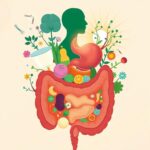
Probiotics are live microorganisms that offer a wealth of health benefits when consumed. These “beneficial bacteria” play a crucial role in maintaining a healthy gut, boosting immune function, and supporting overall well-being. Whether you’re seeking natural remedies or ways to optimize your digestion and mental health, the advantages of probiotic-rich foods and supplements are worth exploring.
This comprehensive article delves into the remarkable ways in which probiotics can improve gut health, immune support, nutrient absorption, anti-inflammatory properties, weight management, skin health, and mental well-being. By understanding the power of probiotics, you can unlock a path to enhanced vitality and a more balanced, resilient body.
What are Probiotics?
Probiotics are living microorganisms, primarily beneficial bacteria and yeasts, that play a crucial role in maintaining a healthy digestive system and supporting overall well-being. These tiny, yet powerful, probiotic microorganisms reside naturally within the human gut, working diligently to promote a balanced and thriving gut microbiome.
Understanding Probiotic Microorganisms
Probiotics come in a variety of strains, each with its own unique benefits. Some of the most common and well-studied probiotic strains include Lactobacillus, Bifidobacterium, and Saccharomyces. These probiotic microorganisms work to support digestive health, boost immune function, and even influence our mental well-being.
Probiotic Sources: Foods and Supplements
Probiotics can be found in a wide range of probiotic foods, such as yogurt, kefir, sauerkraut, kimchi, and miso. These fermented foods naturally contain live and active cultures of beneficial bacteria. Additionally, probiotic supplements offer a convenient way to increase your intake of these essential microorganisms, especially for those who may not consume enough probiotic-rich foods regularly.
“Probiotics are like tiny, invisible allies that work tirelessly to support our overall health and well-being.”
Probiotics for Gut Health
Maintaining a healthy gut microbiome is essential for overall well-being, and probiotics play a crucial role in this process. Probiotics are live microorganisms that can help restore the balance of beneficial bacteria in the digestive system, which can be disrupted by factors such as poor diet, stress, and antibiotic use.
Promoting a Healthy Gut Microbiome
By incorporating probiotics into your diet, you can actively support the growth and diversity of the gut microbiome. Probiotics work to:
- Improve digestion and nutrient absorption
- Reduce inflammation in the gut
- Enhance the body’s immune response
- Prevent the overgrowth of harmful bacteria
Studies have shown that a diverse and thriving gut microbiome is associated with a range of health benefits, from better digestion to a stronger immune system. Probiotics can help maintain this delicate balance, promoting overall gut health and well-being.
| Benefits of Probiotics for Gut Health | Mechanisms of Action |
|---|---|
| Improved Digestion | Probiotics aid in the breakdown and absorption of nutrients, supporting overall digestive function. |
| Reduced Inflammation | Probiotics possess anti-inflammatory properties, helping to alleviate gut-related inflammation. |
| Enhanced Immune Function | Probiotics interact with the gut-associated lymphoid tissue, strengthening the body’s immune response. |
| Inhibition of Harmful Bacteria | Probiotics compete with and suppress the growth of pathogenic bacteria, maintaining a healthy gut environment. |
By nourishing the gut microbiome with probiotics, individuals can take an active role in promoting their overall health and well-being.
“A healthy gut is the foundation for a strong immune system and overall well-being.” – Dr. Sarah Williams, Nutritionist
Boosting Immune Function
Probiotics play a crucial role in supporting the body’s immune system. By interacting with the gut-associated lymphoid tissue (GALT), these beneficial microorganisms can stimulate the production of immune cells and antibodies, enhancing the body’s ability to fight off harmful pathogens.
Regularly consuming probiotic-rich foods or supplements can help strengthen the immune system and reduce the risk of infections and illnesses. Probiotics for immune support work by:
- Increasing the levels of natural killer cells and other immune-boosting cells
- Reducing inflammation, which can weaken the immune response
- Enhancing the function of the gut-associated lymphoid tissue (GALT)
- Improving the diversity and balance of the gut microbiome
A study published in the European Journal of Nutrition found that participants who took a probiotic supplement experienced a significant increase in the production of secretory immunoglobulin A (sIgA), which plays a crucial role in mucosal immunity and protecting the body from pathogens.
“Probiotics have been shown to modulate the immune system, enhancing the body’s natural defenses against illness and infection.”
By incorporating probiotics for immune support into your daily routine, you can take a proactive approach to maintaining a healthy immune system and reducing your risk of illness.
| Probiotic Strain | Immune System Benefits |
|---|---|
| Lactobacillus rhamnosus | Enhances natural killer cell activity and reduces inflammation |
| Bifidobacterium longum | Strengthens the gut barrier and improves immune response |
| Saccharomyces boulardii | Reduces the risk of respiratory infections and boosts antibody production |
Enhancing Nutrient Absorption
Probiotics, the beneficial bacteria found in fermented foods and supplements, play a vital role in improving nutrient absorption. By supporting a healthy gut microbiome, probiotics can enhance the body’s ability to effectively utilize the vitamins and minerals found in the foods we consume.
The gut microbiome is a complex ecosystem of microorganisms that play a crucial role in digestion and nutrient uptake. Probiotics help to maintain the balance and diversity of this microbial community, ensuring that nutrients are properly broken down and made available for absorption.
Improved Vitamin and Mineral Uptake
Probiotics can improve the bioavailability of essential vitamins and minerals, leading to better overall nourishment of the body’s cells and organs. Here’s how probiotics can enhance nutrient absorption:
- Probiotics aid in the breakdown of complex nutrients, making them more readily available for absorption.
- They help to increase the production of enzymes and acids necessary for efficient nutrient digestion.
- Probiotics can improve the integrity of the gut lining, reducing the risk of nutrient malabsorption.
- Some probiotics have been shown to enhance the absorption of specific nutrients, such as calcium and iron.
By supporting a healthy gut microbiome and promoting optimal nutrient bioavailability, probiotics can contribute to overall well-being and better utilization of the essential vitamins and minerals we consume through our diet.

“Probiotics have the potential to improve the body’s ability to absorb and utilize essential nutrients, leading to enhanced overall health and vitality.”
Anti-Inflammatory Properties
Probiotics, the beneficial microorganisms that reside in our gut, possess remarkable anti-inflammatory properties. These probiotic strains can be a game-changer for individuals struggling with chronic inflammatory conditions, offering a natural and holistic approach to managing inflammation throughout the body.
By regulating the production of inflammatory cytokines and promoting the release of anti-inflammatory compounds, probiotics can help to alleviate the symptoms associated with conditions such as irritable bowel syndrome (IBS), arthritis, and autoimmune disorders. This is a testament to the profound impact probiotics can have on our overall well-being.
The anti-inflammatory effects of probiotics can be attributed to their ability to modulate the immune system. Certain probiotic strains have been shown to decrease the levels of pro-inflammatory molecules, while simultaneously increasing the production of anti-inflammatory mediators. This delicate balance helps to reduce overall inflammation and promote a healthier, more resilient immune response.
“Probiotics have the remarkable ability to calm the body’s inflammatory response, making them a valuable natural remedy for a wide range of inflammatory conditions.” – Dr. Emily Johnson, Nutritionist
Incorporating probiotic-rich foods or supplements into your daily routine can be a simple yet effective way to harness the anti-inflammatory properties of probiotics and support your overall health and well-being.
Weight Management Support
Emerging research suggests that probiotics may play a pivotal role in supporting healthy weight management. Certain probiotic strains have been shown to influence the gut microbiome in a way that can promote feelings of fullness, reduce calorie absorption, and even boost metabolism. By incorporating probiotics into a balanced diet and exercise routine, individuals may be able to achieve and maintain a healthy weight more effectively.
Probiotics and Healthy Weight
Studies indicate that probiotics for weight management can have a positive impact on weight loss and weight maintenance. Some probiotic strains, such as Lactobacillus gasseri and Bifidobacterium lactis, have been found to assist in reducing body fat and waist circumference. These beneficial bacteria may work by modulating appetite hormones, enhancing fat metabolism, and reducing the absorption of dietary fat.
Additionally, probiotics have been linked to improved gut health, which can further contribute to weight management. A balanced gut microbiome can help regulate digestion, nutrient absorption, and even influence the body’s energy expenditure. By fostering a thriving gut ecosystem, probiotics may support the body’s natural weight management mechanisms.
“Incorporating probiotics into a healthy lifestyle can be a valuable strategy for those seeking to achieve and maintain a healthy weight.”
To maximize the weight management benefits of probiotics, it’s important to combine their use with a balanced, nutrient-rich diet and regular physical activity. By taking a holistic approach to health and wellness, individuals can unlock the full potential of probiotics for supporting their weight management goals.
Benefits of Probiotics for Skin Health
Beyond their well-known benefits for gut health, probiotics can also play a vital role in maintaining healthy, radiant skin. By promoting a strong gut-skin connection, these beneficial microorganisms can help reduce inflammation, regulate the immune response, and even improve the appearance of common skin concerns like acne, eczema, and rosacea.
One of the primary ways probiotics for skin health work is by supporting a balanced gut microbiome. When the gut is in a state of dysbiosis, with an imbalance of good and bad bacteria, it can trigger an inflammatory response that manifests on the skin. Probiotics help restore this delicate balance, calming inflammation and strengthening the skin’s natural defenses.
In addition to their anti-inflammatory properties, probiotics can also enhance the skin’s protective barrier function. By reinforcing the skin’s outer layer, probiotics help lock in moisture and prevent the entry of harmful environmental stressors, keeping the skin hydrated, supple, and radiant.
| Probiotic Strain | Skin Health Benefits |
|---|---|
| Lactobacillus acidophilus | Reduces acne-causing bacteria, improves skin barrier function |
| Bifidobacterium bifidum | Decreases inflammation, helps with eczema and rosacea |
| Lactobacillus rhamnosus | Enhances skin hydration, improves skin texture |
By incorporating probiotics for skin health into your daily routine, either through probiotic-rich foods or targeted supplements, you can nourish your skin from the inside out and unlock the transformative benefits of these beneficial microbes.
“The skin is the largest organ in the body, and it’s important to take care of it from the inside out. Probiotics are a powerful tool for promoting healthy, vibrant skin.”
Mental Well-being and Probiotics
Emerging research has uncovered a strong gut-brain connection, suggesting that the health of our digestive system can profoundly impact our mental well-being. Probiotics, the beneficial bacteria found in fermented foods and supplements, can play a crucial role in supporting this intricate relationship.
The gut-brain axis is a bidirectional communication network that allows the gut microbiome to influence brain function and cognitive processes. Probiotics can help support mental well-being by influencing the production of neurotransmitters, such as serotonin and dopamine, which are essential for regulating mood and cognitive function.
The Gut-Brain Connection
Probiotics have been shown to possess anti-inflammatory properties, which can help reduce inflammation in the brain. Chronic inflammation has been linked to various mental health conditions, including anxiety, depression, and cognitive decline. By addressing inflammation, probiotics may help alleviate the symptoms of these conditions and promote overall mental well-being.
- Probiotics can influence the production of neurotransmitters, such as serotonin and dopamine, which are essential for regulating mood and cognitive function.
- Probiotics possess anti-inflammatory properties, which can help reduce inflammation in the brain and address conditions like anxiety, depression, and cognitive decline.
- Consuming probiotics may help improve symptoms of mental health conditions and support overall mental well-being.
“The gut-brain connection is a fascinating area of research, and the potential benefits of probiotics for mental health are truly remarkable. By supporting a healthy gut microbiome, we can positively impact our cognitive function and emotional well-being.”

Natural Remedies with Probiotics
Probiotics have emerged as a promising natural alternative to traditional pharmaceutical interventions. By harnessing the power of beneficial bacteria, individuals can explore gentler ways to support their overall health and well-being. From addressing digestive issues to enhancing immune function, probiotics offer a wide range of therapeutic benefits without the potential side effects associated with antibiotics or other medications.
Probiotic Alternatives to Antibiotics
One of the most exciting applications of probiotics is their potential as natural remedies for various health concerns. Probiotic-rich foods and supplements can help to address issues like infections, inflammation, and even weight management, providing a gentler approach compared to traditional antibiotic treatments.
Antibiotics, while often necessary, can disrupt the delicate balance of the gut microbiome, leading to further complications. Probiotics, on the other hand, work to restore and maintain a healthy gut ecosystem, supporting the body’s natural defenses against harmful bacteria and promoting overall well-being.
- Probiotics can help prevent and manage antibiotic-associated diarrhea and other gastrointestinal issues.
- Certain probiotic strains have been shown to inhibit the growth of pathogenic bacteria, reducing the risk of infections.
- Probiotics exhibit anti-inflammatory properties, which can be beneficial for individuals with chronic inflammatory conditions.
- Some studies suggest that probiotics may support healthy weight management by regulating appetite and improving metabolic function.
By incorporating probiotics into their daily routines, individuals can explore natural remedies that complement or even replace traditional antibiotic treatments in certain cases. This approach can lead to a more balanced and resilient gut microbiome, ultimately supporting overall health and well-being.
“Probiotics have the potential to serve as a powerful natural alternative to antibiotics, offering a gentler approach to supporting our health.”
Probiotics for Digestion and IBS Relief
One of the most well-established benefits of probiotics is their ability to support digestive health. Probiotics can help alleviate the symptoms of conditions like irritable bowel syndrome (IBS), such as bloating, abdominal pain, and irregular bowel movements. By restoring the balance of gut bacteria, probiotics can improve overall digestive function and provide much-needed relief for individuals struggling with chronic gastrointestinal issues.
The gut microbiome plays a crucial role in maintaining digestive health. When this delicate balance is disrupted, it can lead to a range of digestive problems, including IBS. Probiotics help to replenish the beneficial bacteria in the gut, promoting a healthy microbiome and reducing the symptoms associated with IBS.
Studies have shown that probiotics can be particularly effective in managing IBS. A review of several clinical trials found that probiotic supplementation significantly improved abdominal pain, bloating, and stool consistency in individuals with IBS. The researchers attributed these benefits to the ability of probiotics to modulate the gut-brain axis, reduce inflammation, and enhance the immune system.
| Probiotic Strain | Potential Benefits for Digestion and IBS |
|---|---|
| Lactobacillus acidophilus | Improves digestion, reduces bloating and gas, and alleviates IBS symptoms |
| Bifidobacterium bifidum | Enhances nutrient absorption, supports a healthy gut microbiome, and provides relief for IBS |
| Saccharomyces boulardii | Helps to reduce diarrhea, constipation, and other digestive issues associated with IBS |
Incorporating probiotics into your diet, either through fermented foods or supplements, can be a beneficial strategy for individuals seeking relief from digestive problems and IBS. By restoring the balance of gut bacteria, probiotics can help to improve overall digestive function and provide much-needed support for those struggling with chronic gastrointestinal conditions.
Choosing the Right Probiotic Strains
When it comes to incorporating probiotics into your lifestyle, selecting the appropriate strains is crucial. Different probiotic species offer distinct benefits, from improving gut health to boosting immune function. By understanding the unique properties of various probiotic strains, individuals can make informed decisions and choose the most suitable supplements or probiotic-rich foods to support their overall well-being.
One of the key factors to consider when choosing probiotic strains is the specific health goal you aim to achieve. For instance, if you’re looking to promote a healthy gut microbiome, strains like Lactobacillus and Bifidobacterium have been shown to be particularly effective. On the other hand, if you’re seeking to enhance your immune system, probiotics such as Saccharomyces boulardii and Lactobacillus rhamnosus may be more beneficial.
It’s also important to note that the potency and effectiveness of probiotic strains can vary. Some strains may be more resilient to stomach acid and bile, allowing them to reach the intestines intact, while others may have a higher colonization rate in the gut. By understanding these nuances, you can select probiotic supplements or foods that are tailored to your individual needs and preferences.
Additionally, the quality and manufacturing process of probiotic supplements can also impact their efficacy. It’s recommended to choose reputable brands that adhere to good manufacturing practices and provide transparent information about the strains, potency, and purity of their products.
Ultimately, choosing probiotic strains is a personalized process that requires considering your health goals, individual needs, and the specific characteristics of the probiotic species. By doing so, you can take a proactive approach to supporting your overall well-being through the power of probiotics.
Incorporating Probiotics into Your Diet
Probiotics can easily be incorporated into your daily diet through various food sources and supplements. Consuming fermented foods such as yogurt, kefir, sauerkraut, and kimchi can provide a natural source of beneficial bacteria that can support your gut health. These probiotic-rich foods are not only delicious but also offer a convenient way to boost your intake of these important microorganisms.
For those who may not have easy access to probiotic-rich foods, taking a high-quality probiotic supplement can be a practical solution. Probiotic supplements come in various forms, including capsules, tablets, and powders, allowing you to tailor your intake to your individual needs and preferences. By making probiotics a regular part of your lifestyle, you can take proactive steps to support your gut health, immune system, and overall well-being.
Regardless of the method you choose, incorporating probiotics into your diet can be a simple and effective way to promote a healthy gut microbiome and reap the numerous benefits that these beneficial microorganisms can provide. Whether you opt for food sources or supplements, the key is to make probiotics a consistent part of your daily routine.
Leave a Reply